The short answer
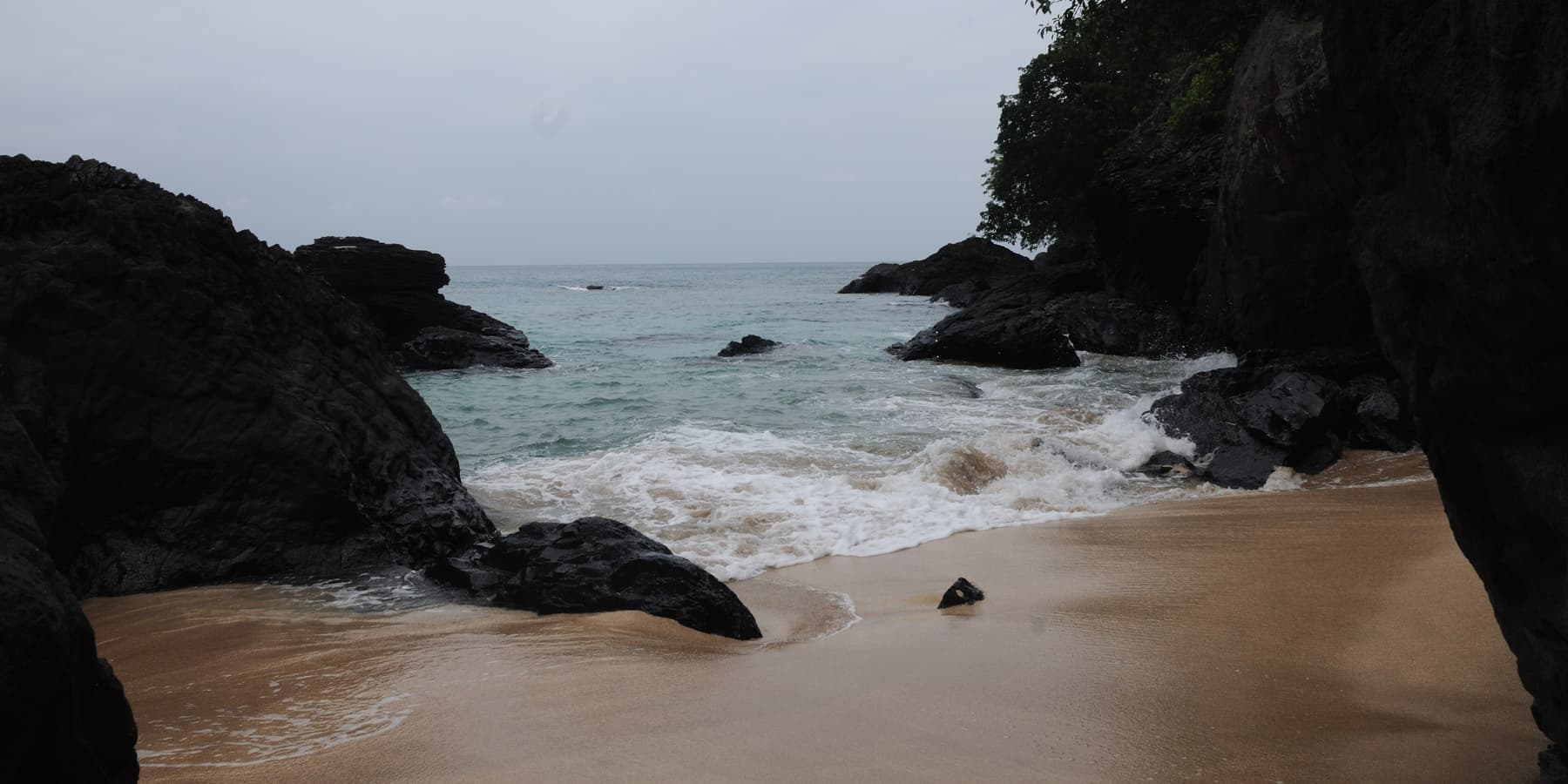
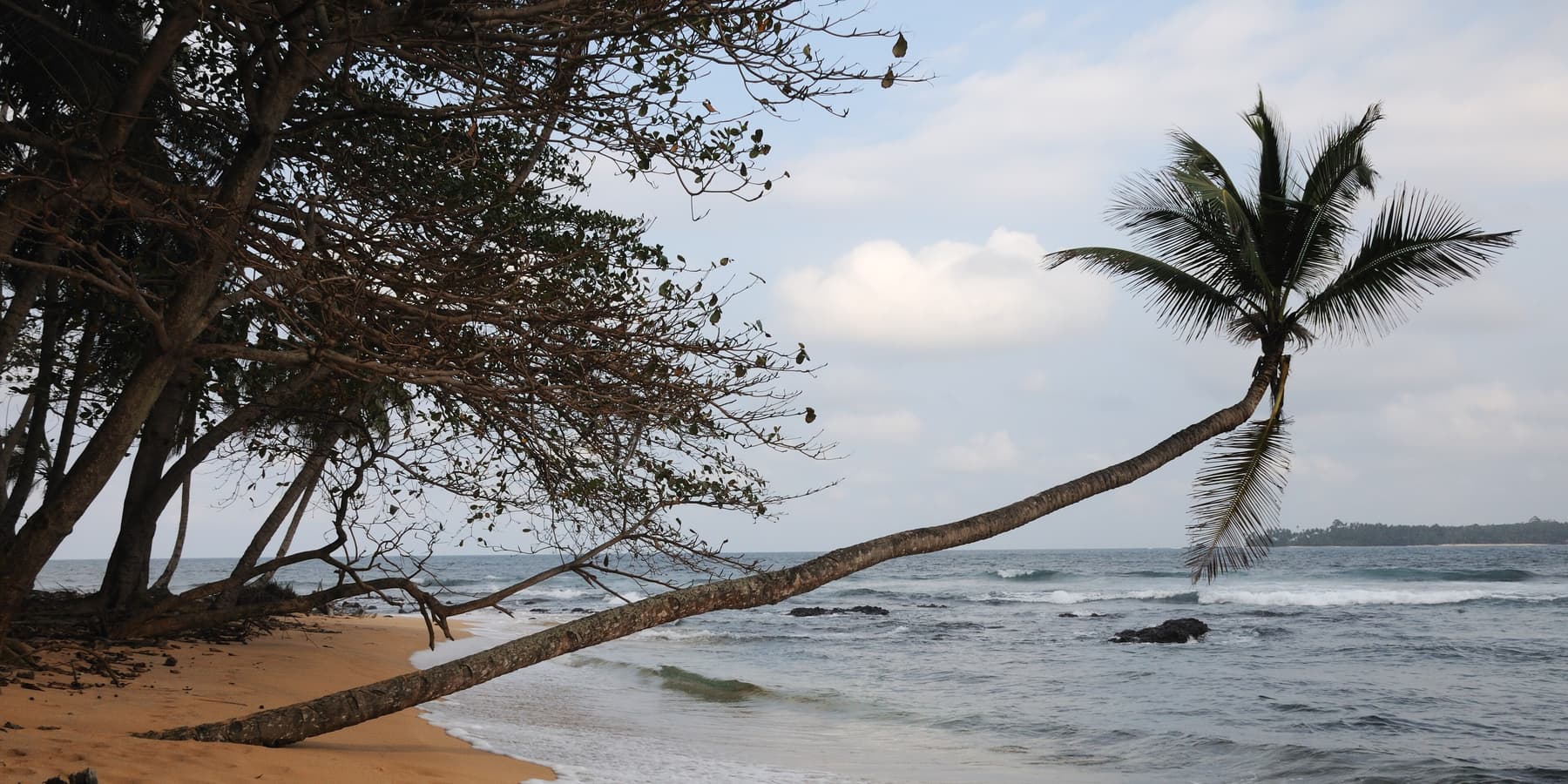
The most reliable weather is in the gravana, the dry season from about June to September. It is slightly cooler and breezier, skies are often grey rather than blue, and roads and trails are at their best. December to February — the gravanito — is hotter and sunnier with only occasional showers, and is excellent for beaches.
The rainy season runs roughly from October to May, with the heaviest falls in March–May and October–November. Rain usually comes in powerful bursts with sun between, but it can close forest tracks and disrupt flights.
Climate by region
Mountains split the islands into very different climates. The north-east of São Tomé, including the capital and Lagoa Azul, sits in a rain shadow and is dry enough for baobabs and savanna. The south and south-west receive several times more rain and are forested to the shore. The highlands are cooler and mistier at any time of year. Príncipe is wet and green throughout.
Month by month
| Month | Weather | Good for |
|---|---|---|
| January | Gravanito: hot, mostly dry spells | Beaches, turtle nesting |
| February | Hot, sunny, some showers | Beaches, snorkelling, turtles |
| March | Rain building, very humid | Lush scenery, last turtle hatchlings |
| April | Among the wettest months | Quiet travel, waterfalls in full flow |
| May | Heavy rain easing late in the month | Waterfalls, green highlands |
| June | Gravana begins: drier and cooler | Hiking, road trips |
| July | Dry, breezy, often overcast | Hiking, whale watching begins |
| August | Driest month, coolest nights | Pico de São Tomé trek, whales, festivals |
| September | Still mostly dry | Whales, birding, hiking |
| October | Rains return | Last whales, first turtles |
| November | Wet, with sunny breaks | Turtle nesting begins in earnest |
| December | Showers easing into the gravanito | Beaches, turtles, festive season |
Wildlife calendar
- Sea turtles: nesting from about November to March, with hatchlings into April or May. Guided night watches run at Praia Jalé and Morro Peixe on São Tomé and at Praia Grande on Príncipe.
- Humpback whales: roughly July to October, seen on boat trips off both islands.
- Birds: resident endemics can be seen year-round; trails are easiest in the gravana.
- Diving and snorkelling: possible all year; visibility is generally best in the drier months.
Festivals and events
- Independence Day (12 July): parades and music across the country.
- Auto de Floripes (mid-August): Príncipe’s great street-theatre tradition, when Santo António becomes a stage for a day-long medieval drama of Christians and Moors.
- Tchiloli: São Tomé’s masked theatre, performed at festivals and saints’ days.
- Carnival (February or March) and São Tomé Day (21 December).
Crowds and prices
There are no crowds here in any month. July and August, Christmas and Easter are the busiest for flights from Lisbon, when fares rise and the few hotels fill — book those periods early.
Frequently asked questions
Is the rainy season a bad time to visit?
Not necessarily. You will get wet, but showers are warm and often brief, prices can be lower and the forest is spectacular. Build slack into your plans.
When is the sea calmest?
Generally in the gravanito around December to February. The gravana is dry but can be windier, with some swell.
What is the best month overall?
For all-round travel, July to September. For beaches with turtles, December to February.