São Tomé City
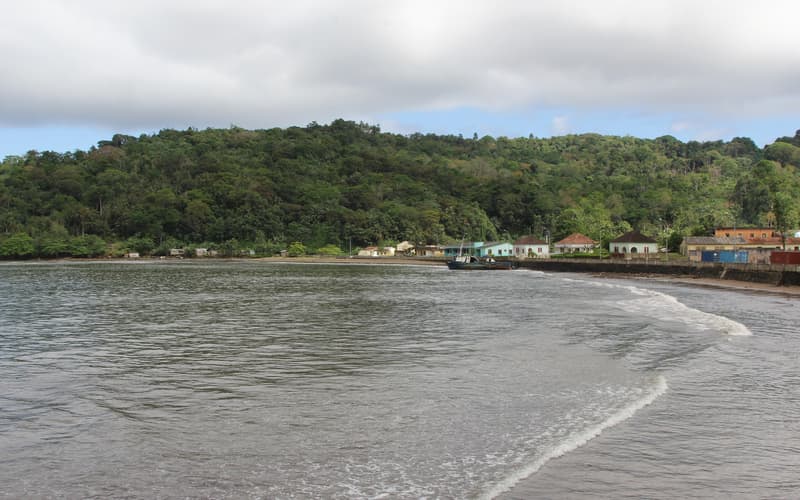
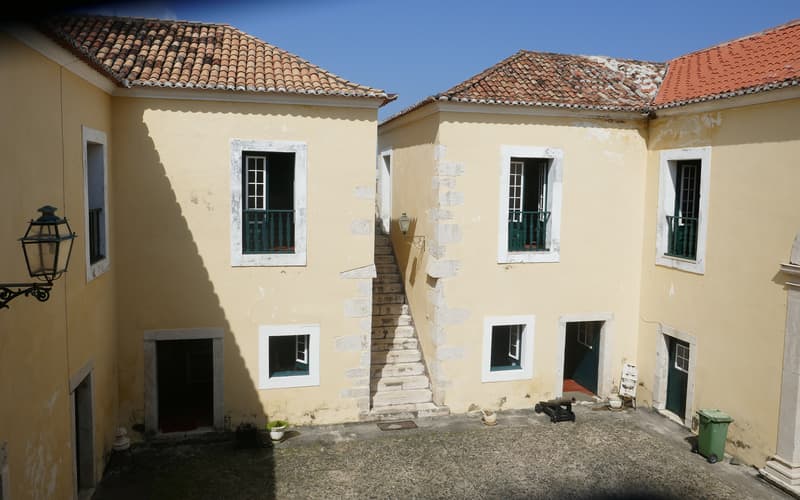
A small, faded-pastel capital on Ana Chaves Bay: a 16th-century fort, a lively market and some of the world’s best chocolate.
Two volcanic islands of rainforest, old cocoa plantations and beaches with nobody on them — and a pace of life the locals call leve-leve.
São Tomé and Príncipe is Africa’s second-smallest country: two main islands and a scatter of islets in the Gulf of Guinea, roughly 250 km off the coast of Gabon. They were uninhabited when Portuguese navigators arrived around 1470, and for five centuries they were plantation colonies — first sugar, then coffee and cocoa. By the early 1900s these islands were the world’s largest cocoa producer, built on forced labour. Independence came on 12 July 1975.
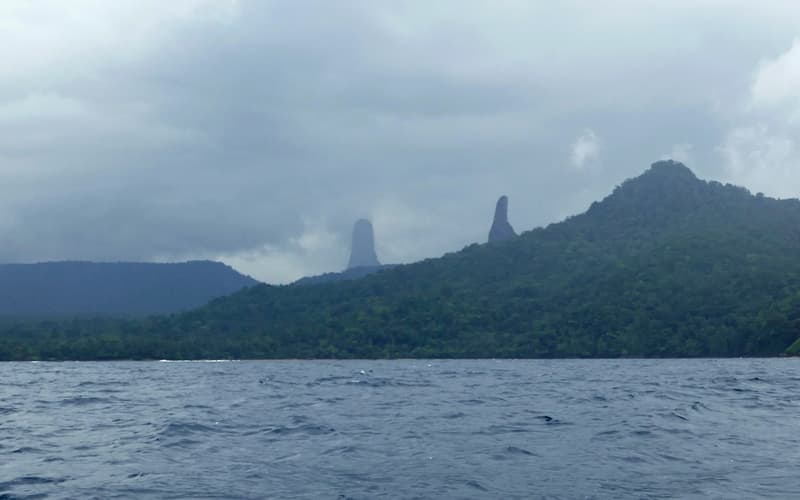
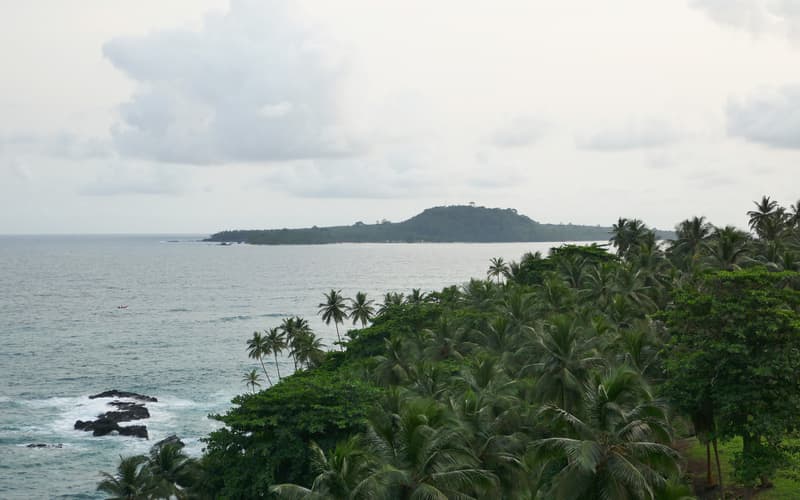
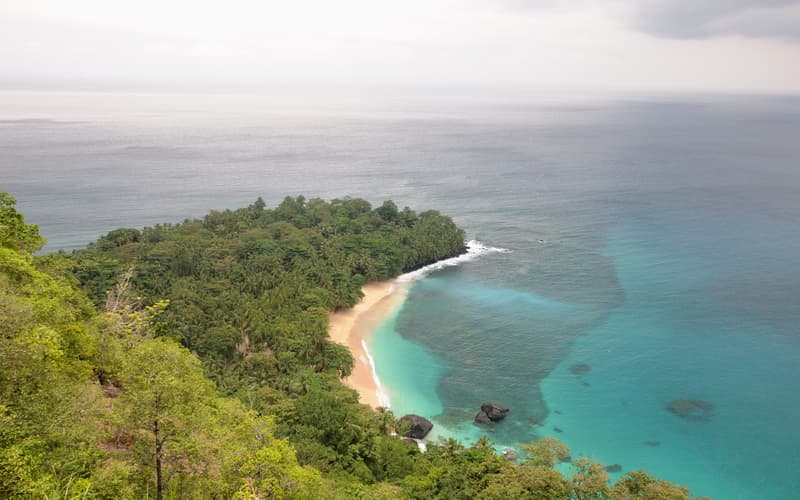
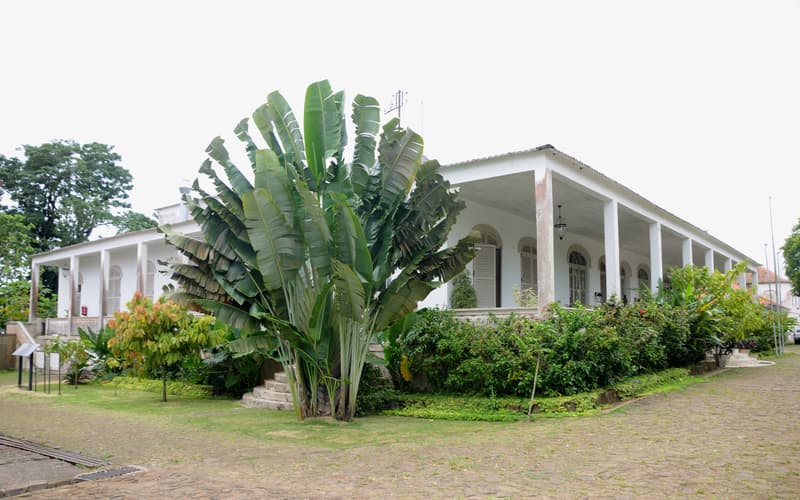
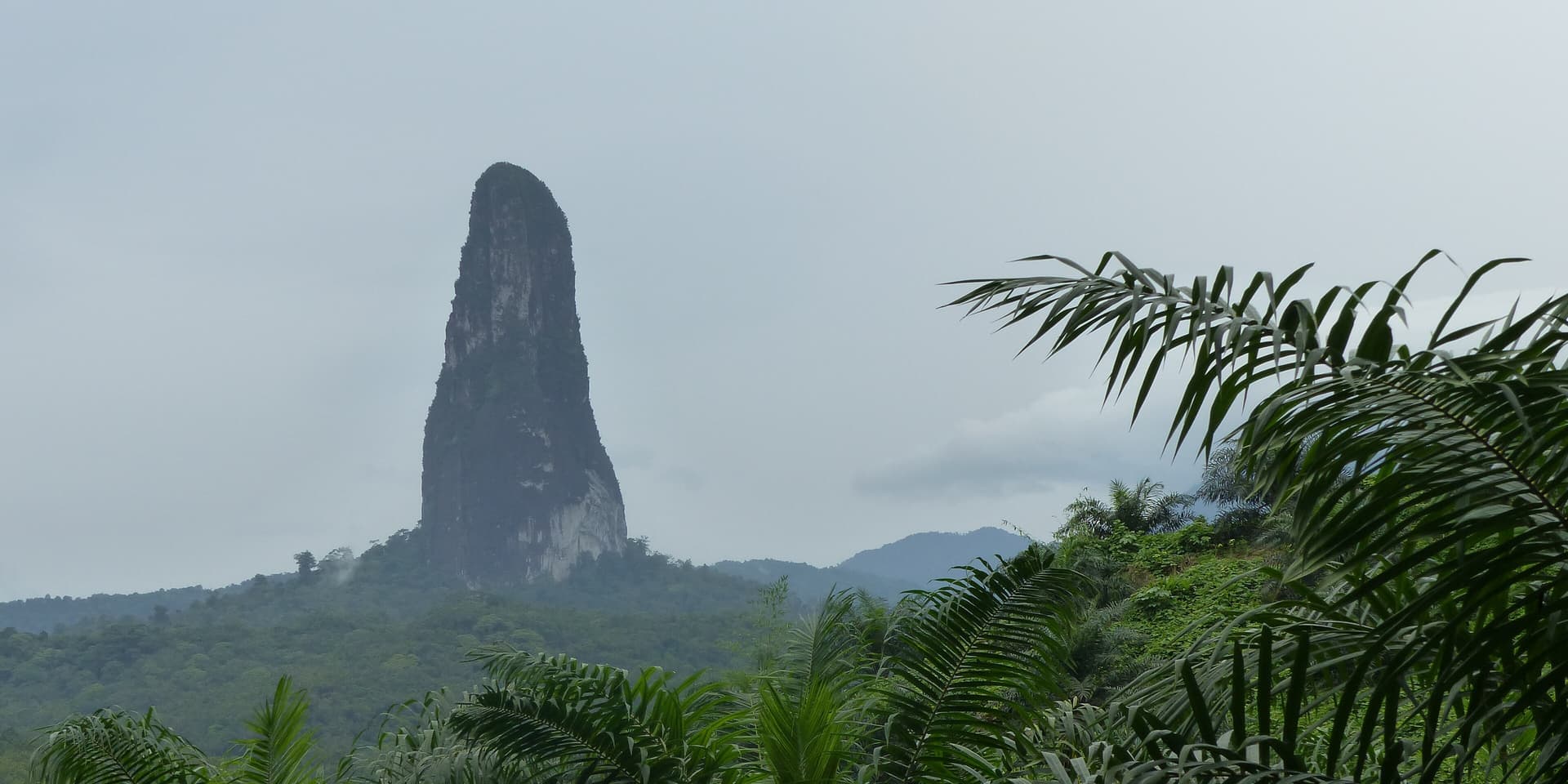
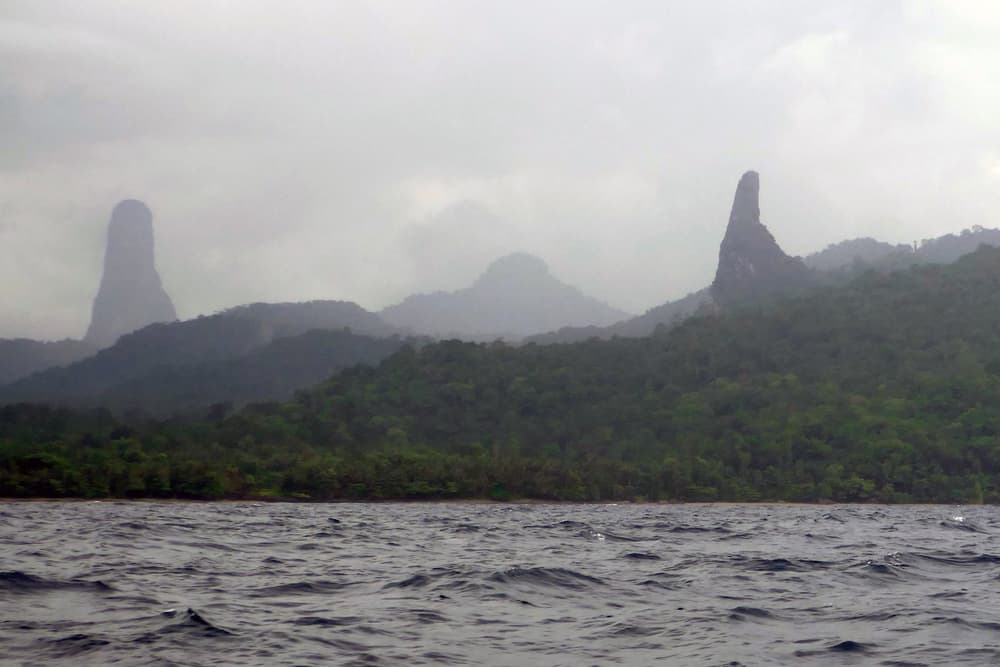
What the visitor finds today is the afterlife of that history set in extraordinary nature. Grand plantation estates, the roças, crumble gently into the forest or have been reborn as lodges and chocolate makers. A third of São Tomé island is the protected rainforest of Obô National Park. In the south the volcanic needle of Pico Cão Grande rises sheer from the palms, and the Equator runs across Ilhéu das Rolas. A 35-minute flight north, Príncipe has around 8,000 people, a UNESCO Biosphere Reserve and beaches such as Praia Banana that you may well have to yourself.
This is not a polished resort destination. Roads are slow, card payments are rare and things happen leve-leve — “easy, easy”. That is exactly the appeal. A week covers São Tomé island well; ten days to two weeks lets you add Príncipe.
Each has its own guide to sights, tours, transport, seasons and where to stay.
A small, faded-pastel capital on Ana Chaves Bay: a 16th-century fort, a lively market and some of the world’s best chocolate.
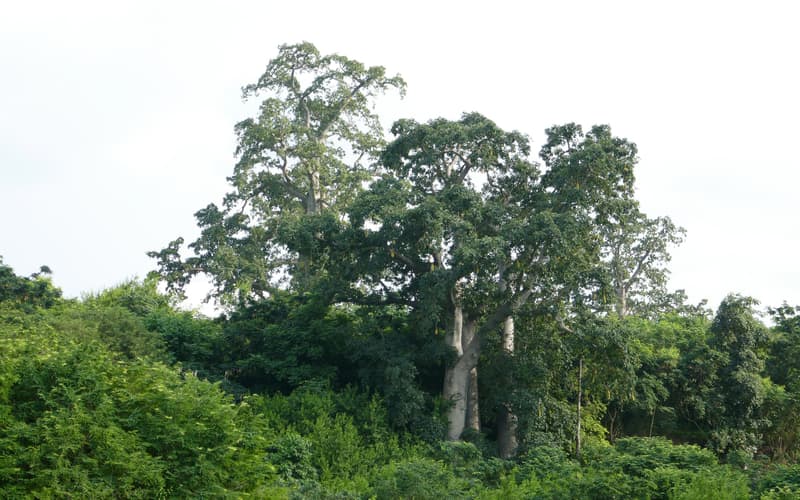
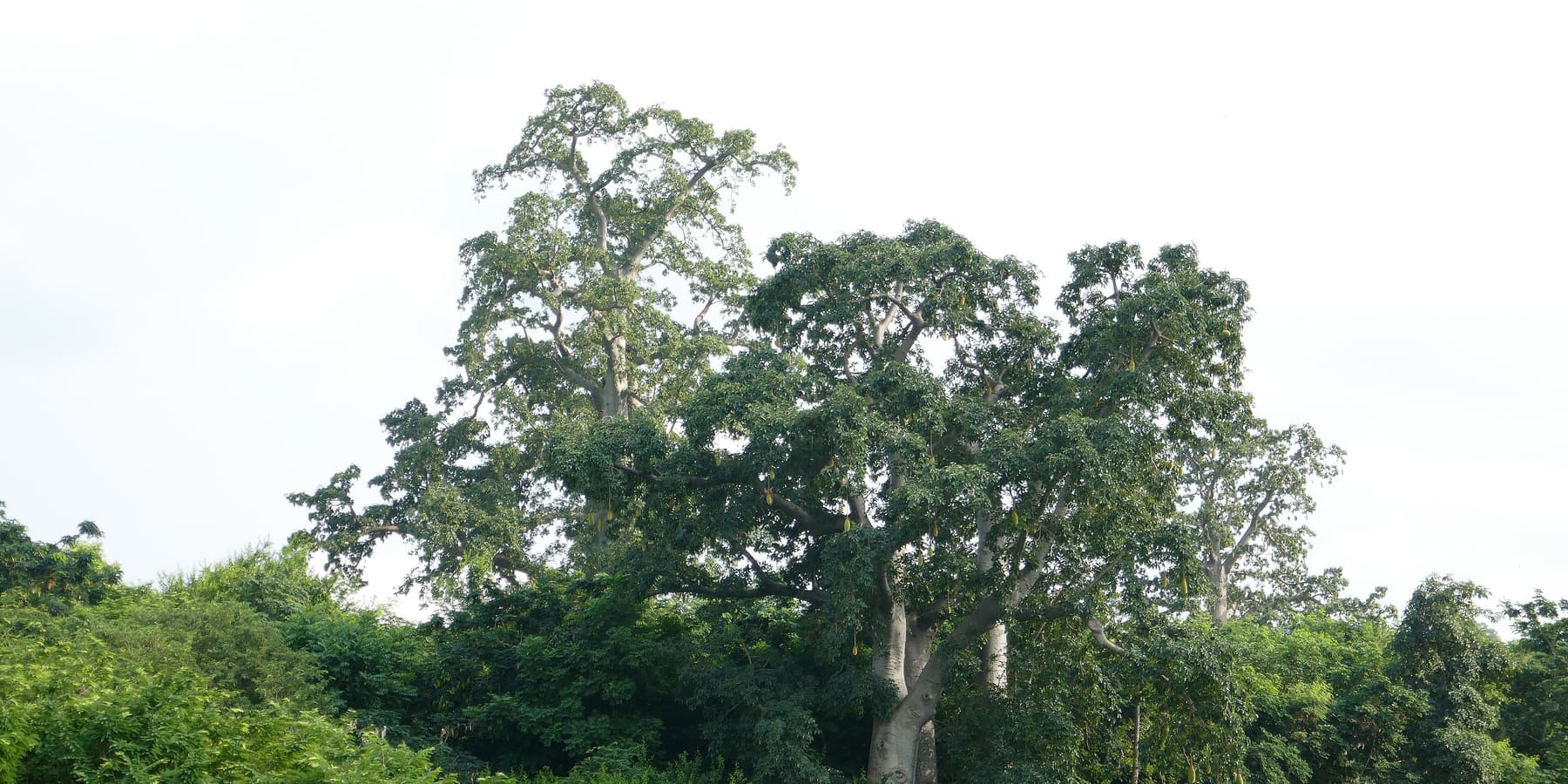
The dry side of São Tomé: baobabs above the turquoise bay of Lagoa Azul, palm beaches, a grand old roça and the fishing town of Neves.
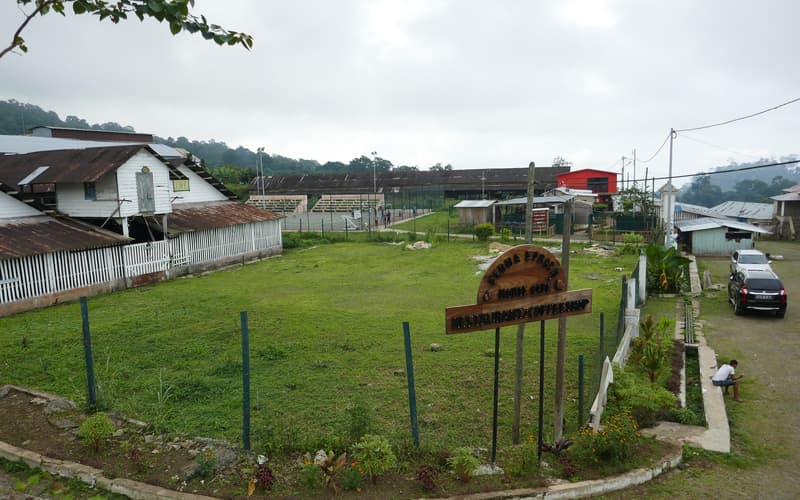
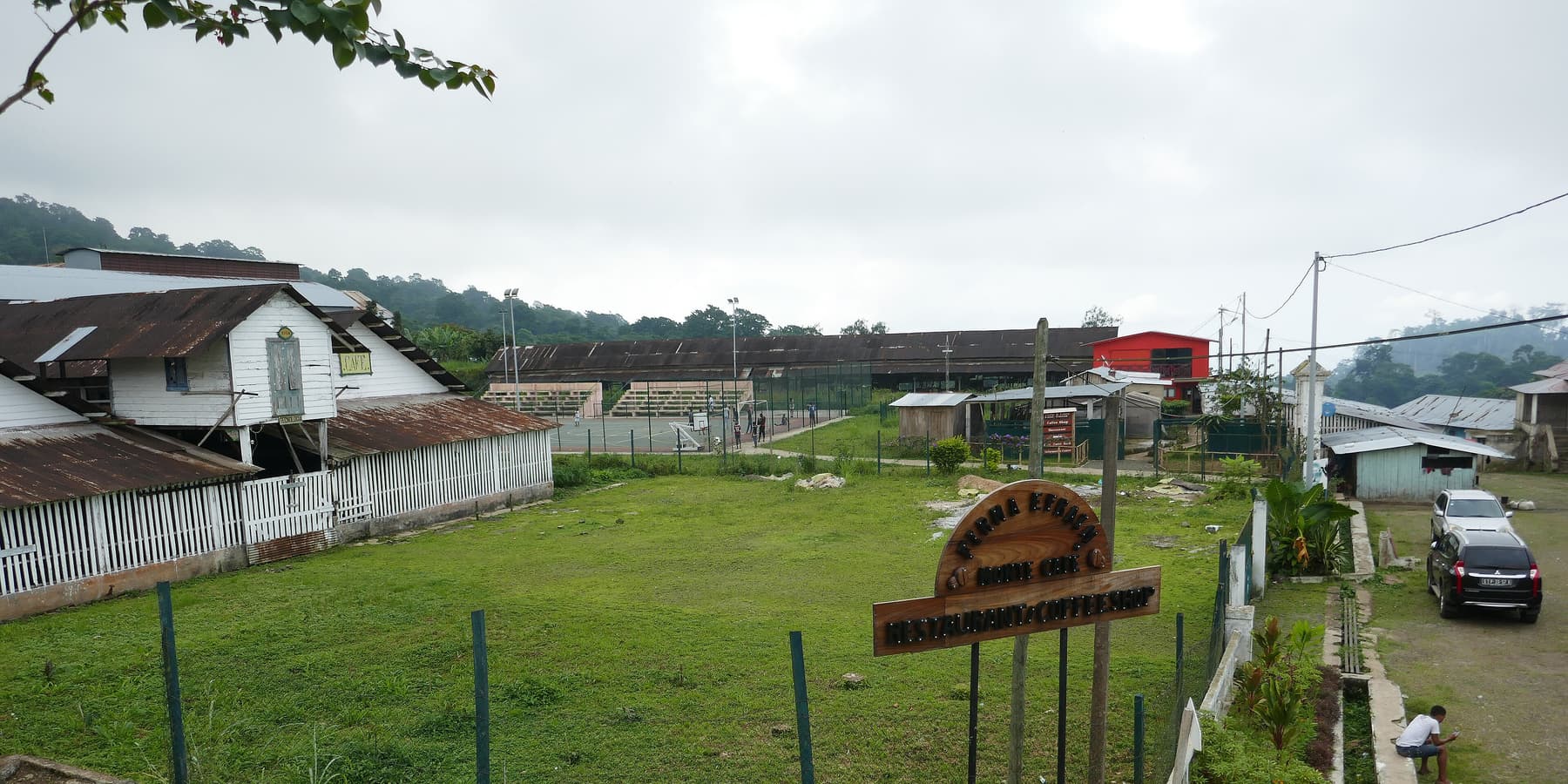
The coffee plantation in the cool hills above the capital, and the best place to understand the roças — their beauty and their brutal history.
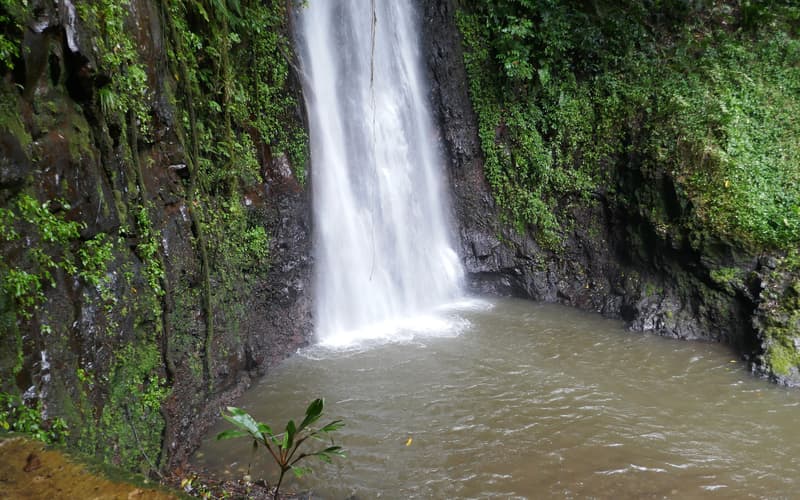
Primary rainforest covering a third of the island: a botanical garden, a crater bog, waterfalls, endemic birds and the 2,024 m summit.
The wild, rain-soaked south: a volcanic needle above the palms, roças on the east coast, natural rock pools and beaches where turtles nest.
A small forested islet off the southern tip of São Tomé where a monument marks the Equator — one foot in each hemisphere.
Príncipe’s pocket-sized capital: a few pastel streets on a river mouth, often called the smallest city in the world.
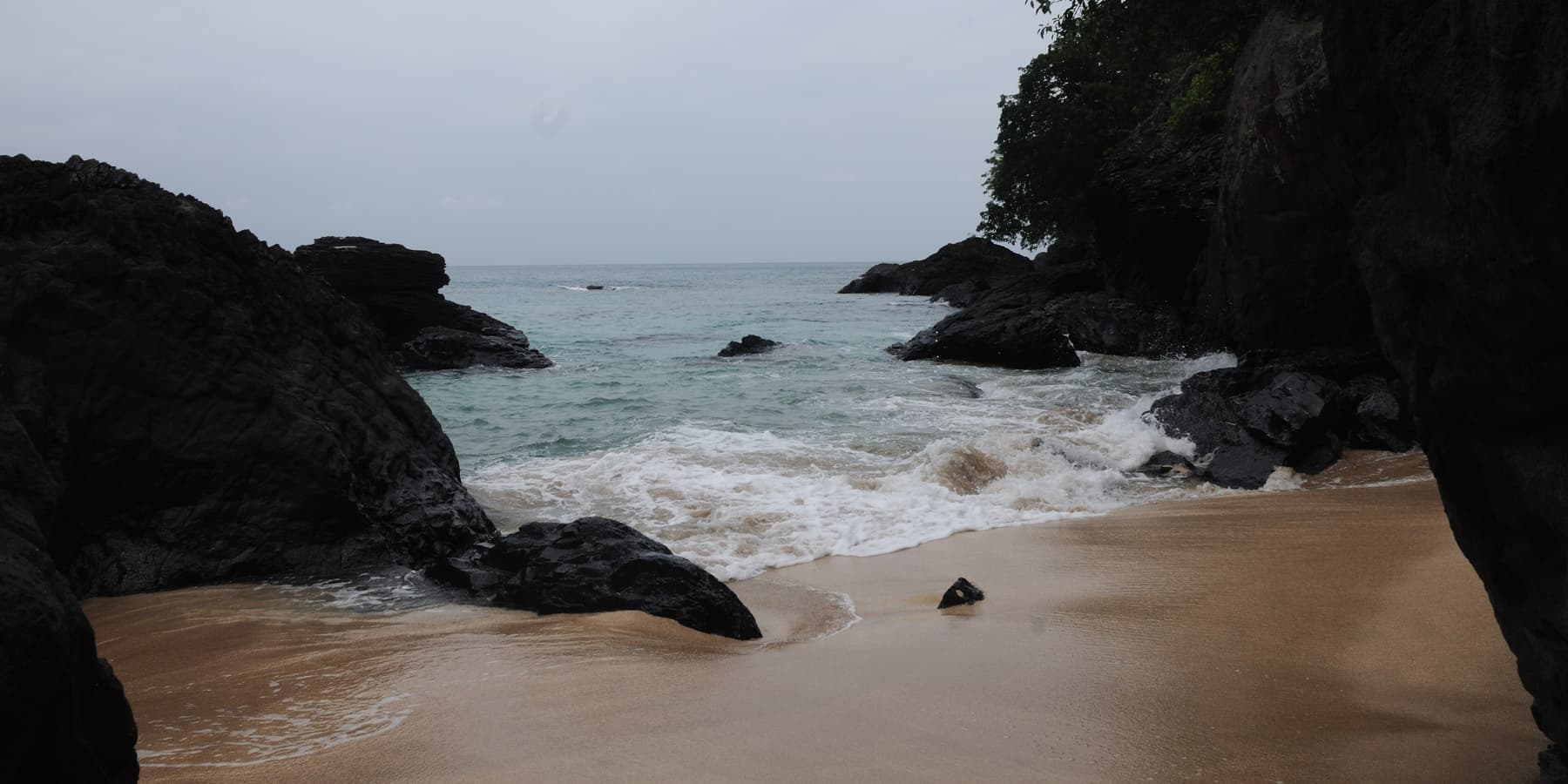
Praia Banana, Praia Boi, Praia Macaco and the lodge beaches of Bom Bom and Sundy: golden sand, jungle to the waterline and hardly a footprint.
Two plantation estates on Príncipe: Sundy, where a 1919 eclipse helped prove Einstein right, and Belo Monte, on the bluff above Praia Banana.
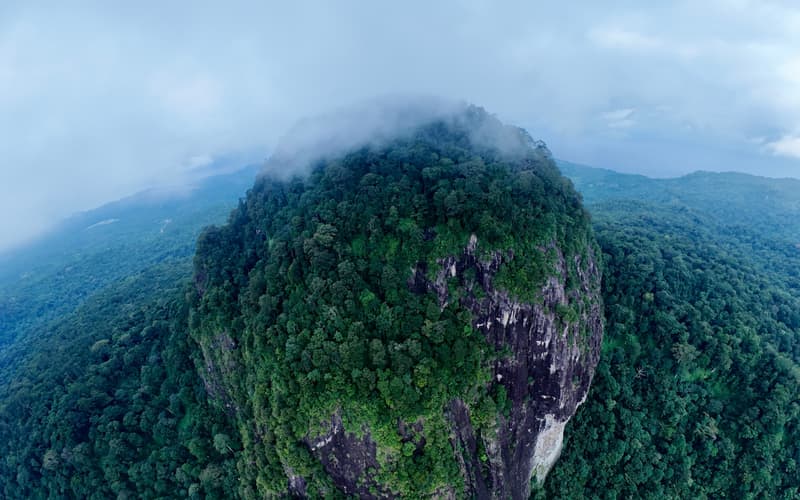
The whole island is a UNESCO Biosphere Reserve: rock towers above the Bay of Needles, roadless southern rainforest, mangroves and birds found nowhere else.
The things people come for — and where to find them.
Which part of the country suits which kind of trip.
| Region | Best for | From São Tomé city | Stay |
|---|---|---|---|
| São Tomé city | History, markets, chocolate, restaurants | — | 1–2 nights |
| North coast | Lagoa Azul, dry-side beaches, baobabs, roças | About 30–60 min by car | Day trip or 1–2 nights |
| Monte Café & the roças | Coffee, cocoa and plantation history | About 40 min by car | Half day |
| Obô & Pico de São Tomé | Rainforest hikes, birds, waterfalls | About 1 hr to the trailheads | Day hike or 2-day trek |
| South & Pico Cão Grande | Wild scenery, turtle beaches, eco-lodges | About 1½–2½ hrs by car | 2–3 nights |
| Ilhéu das Rolas | The Equator mark, snorkelling | About 2½ hrs + 20 min by boat | Day trip |
| Príncipe (4 guides) | Empty beaches, forest, boat trips, birding | About 35 min by plane | 3–5 nights |
GetYourGuide’s catalogue for the islands is small. These are the real, current products — nothing padded.
 #1 · Day tour from €138
A full day out from your hotel with a local guide: historic plantations, village communities and tropical forest, with a local lunch and bottled water included.
 #2 · Boat trip from €175
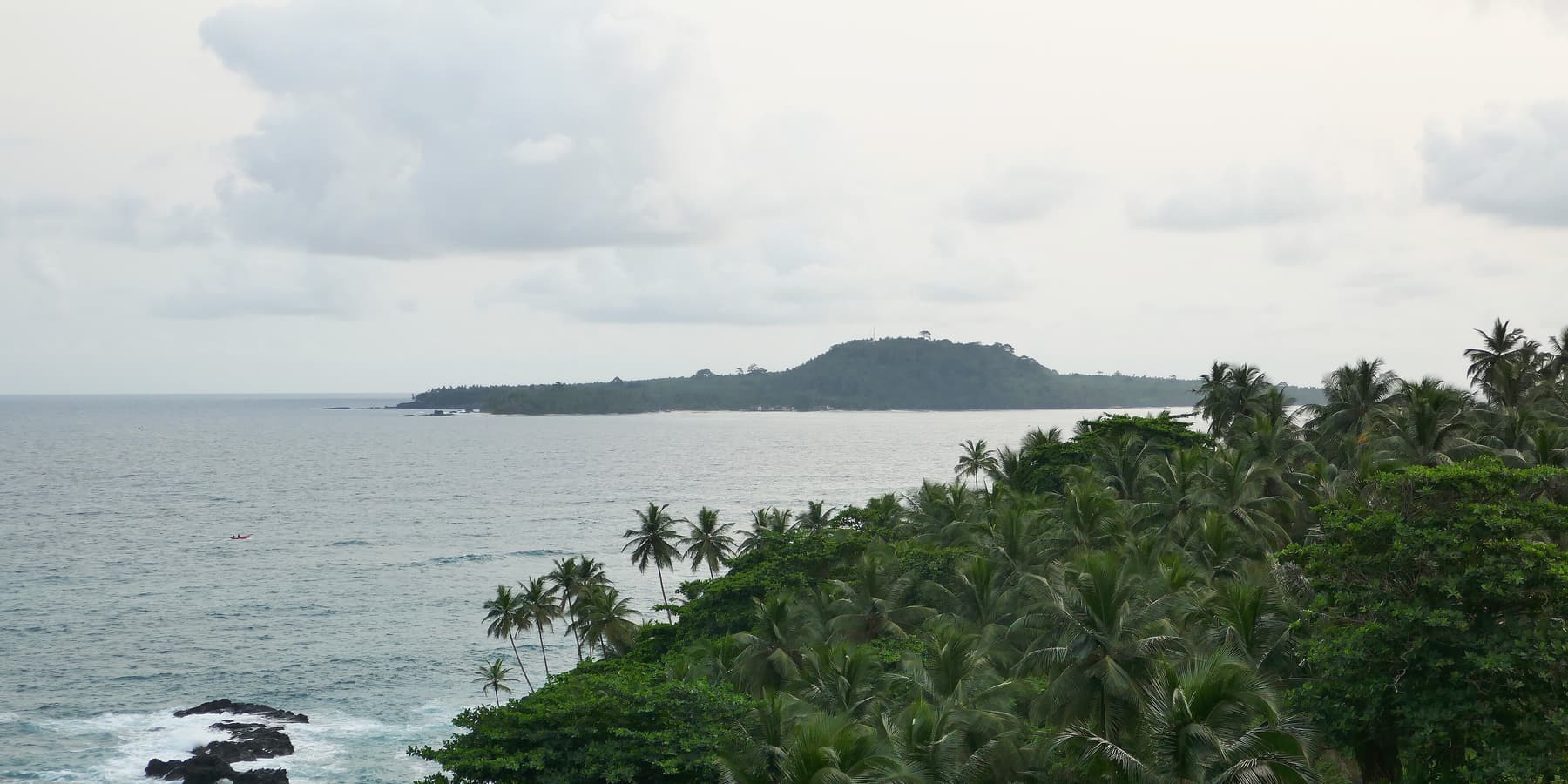
Cruise along the coast to Ilhéu das Rolas, the islet crossed by the Equator, with time to swim, snorkel and laze on its beaches.
 #3 · Private tour from €110
A private half-day shaped around what you want to see — beaches, forest, waterfalls, plantations or village life — with a guide from the island.
 #4 · Diving from €70
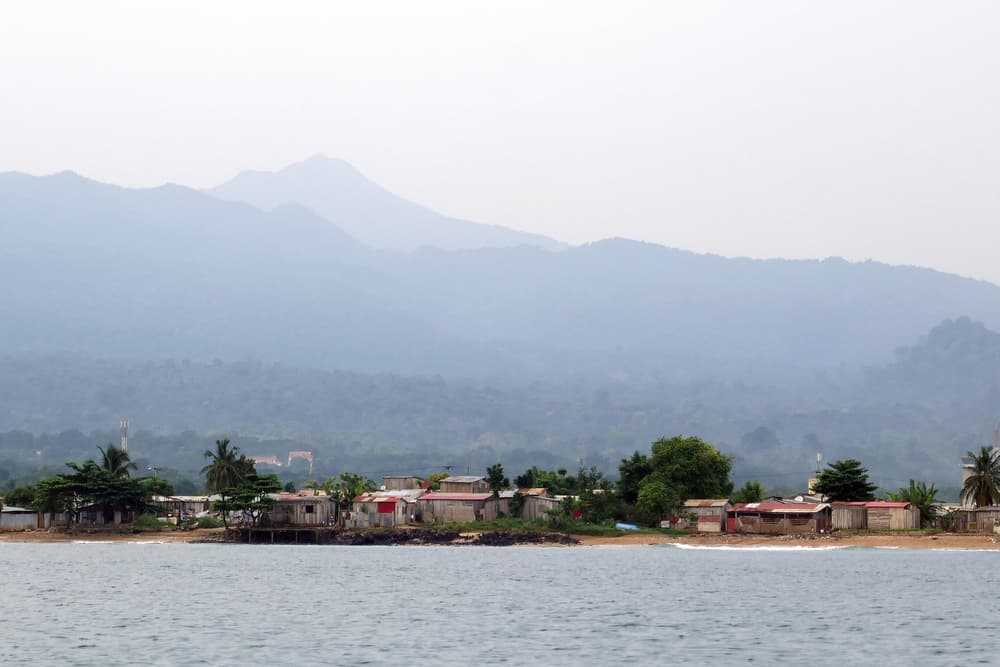
Dives on São Tomé’s volcanic reefs for beginners and certified divers, from a single try-dive to multi-day packages.
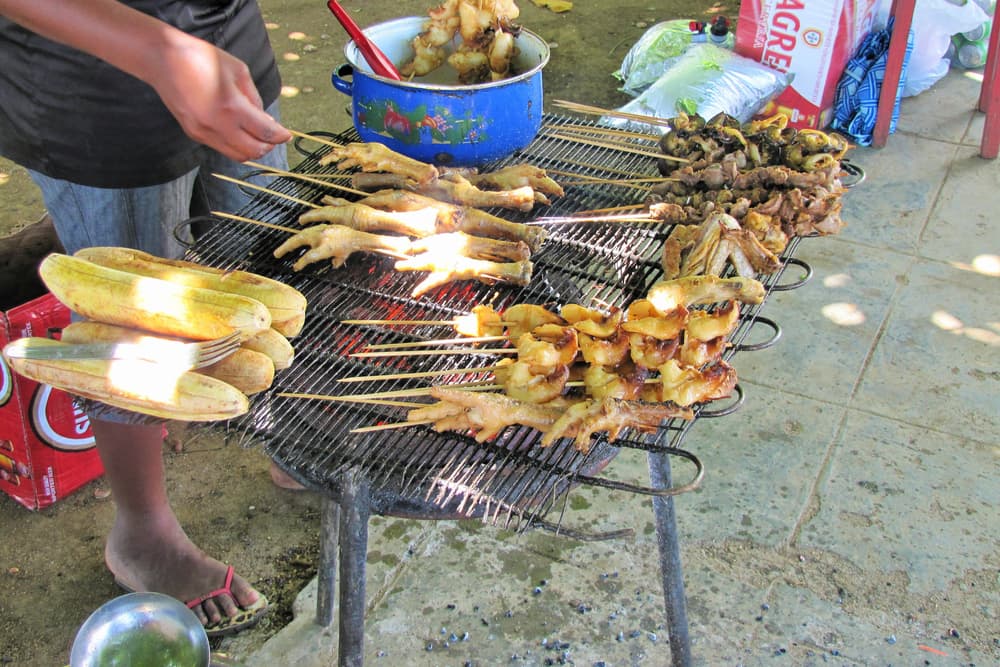 #5 · Food & music from €65
A Saturday-evening rodízio dinner by the sea at Club Santana: fire-grilled meats carved at the table, with live music.
 #6 · Multi-day from €900
Five guided days around the island: history and food, cocoa and coffee plantations, the north and south coasts, and the Equator on Ilhéu das Rolas.
It is warm all year on the Equator; what changes is the rain.
The main dry season: cooler, breezy, often overcast, with the calmest roads and trails. Humpback whales pass from about July.
Heavy showers come back and the forest is at its greenest. Turtle nesting begins and whale season ends in October.
A shorter, sunnier dry spell with hot beach weather and clear seas — and the peak of turtle nesting.
The heaviest rain of the year, mostly in intense bursts. Lush and quiet, but tracks get muddy and flights can be disrupted.
Realistic routes that respect the roads and the flight schedule.
From seafront hotels in the capital to plantation houses and Príncipe’s beach lodges.
A small, polished hotel between the airport and the city, with a pool in palm gardens — the São Tomé sister of the Príncipe lodges.
The capital’s large seafront resort hotel, with pools facing the ocean and a short drive to the fort and cathedral.
Wooden cabins under coconut palms on a quiet beach at the island’s southern tip, close to Praia Piscina and the turtle beach of Praia Jalé.
Bungalows across two beaches at the northern tip of Príncipe, linked by a wooden walkway to a tiny islet with the restaurant.
Tented villas hidden in forest behind a wild beach on Príncipe’s north-west coast — the most exclusive stay in the country.
Rooms in the restored main houses of the historic Roça Sundy, on the plantation where the 1919 eclipse was observed.
In the Gulf of Guinea off Central Africa, about 250 km west of Gabon. São Tomé island sits just north of the Equator, which crosses the islet of Rolas at its southern tip; Príncipe lies about 150 km to the north-east.
Citizens of many countries, including EU states, the UK, the USA and Canada, have been able to enter visa-free for stays of up to 15 days. Rules change, so confirm with the country’s official e-visa service or an embassy before you book.
It is widely regarded as one of the safer and more relaxed countries in the region. Normal precautions against petty theft apply; the bigger risks are road conditions, strong sea currents and limited medical facilities.
A week is a comfortable minimum for São Tomé island. Allow ten days to two weeks if you want to include Príncipe, because inter-island flights do not run at all hours and can be rescheduled.
Rarely. Outside the top hotels this is a cash economy, and foreign cards have often not worked in local ATMs. Bring enough euros in cash and change some into dobras locally.
Portuguese is the official language, alongside local creoles. Some French is understood, and English is spoken mainly in the better hotels and by guides.
Cocoa plantations, the needle of Pico Cão Grande, the Equator line on Ilhéu das Rolas and Príncipe’s wild bays. Compare the tours you can book online and reserve in a couple of taps.