São Tomé City
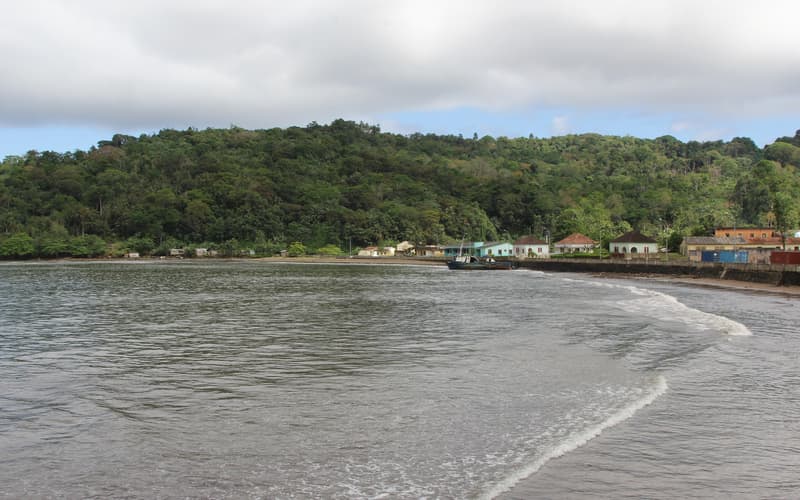
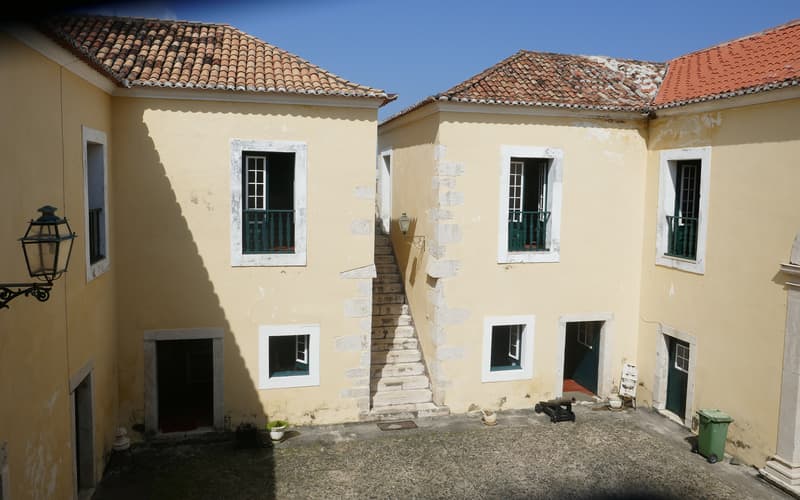
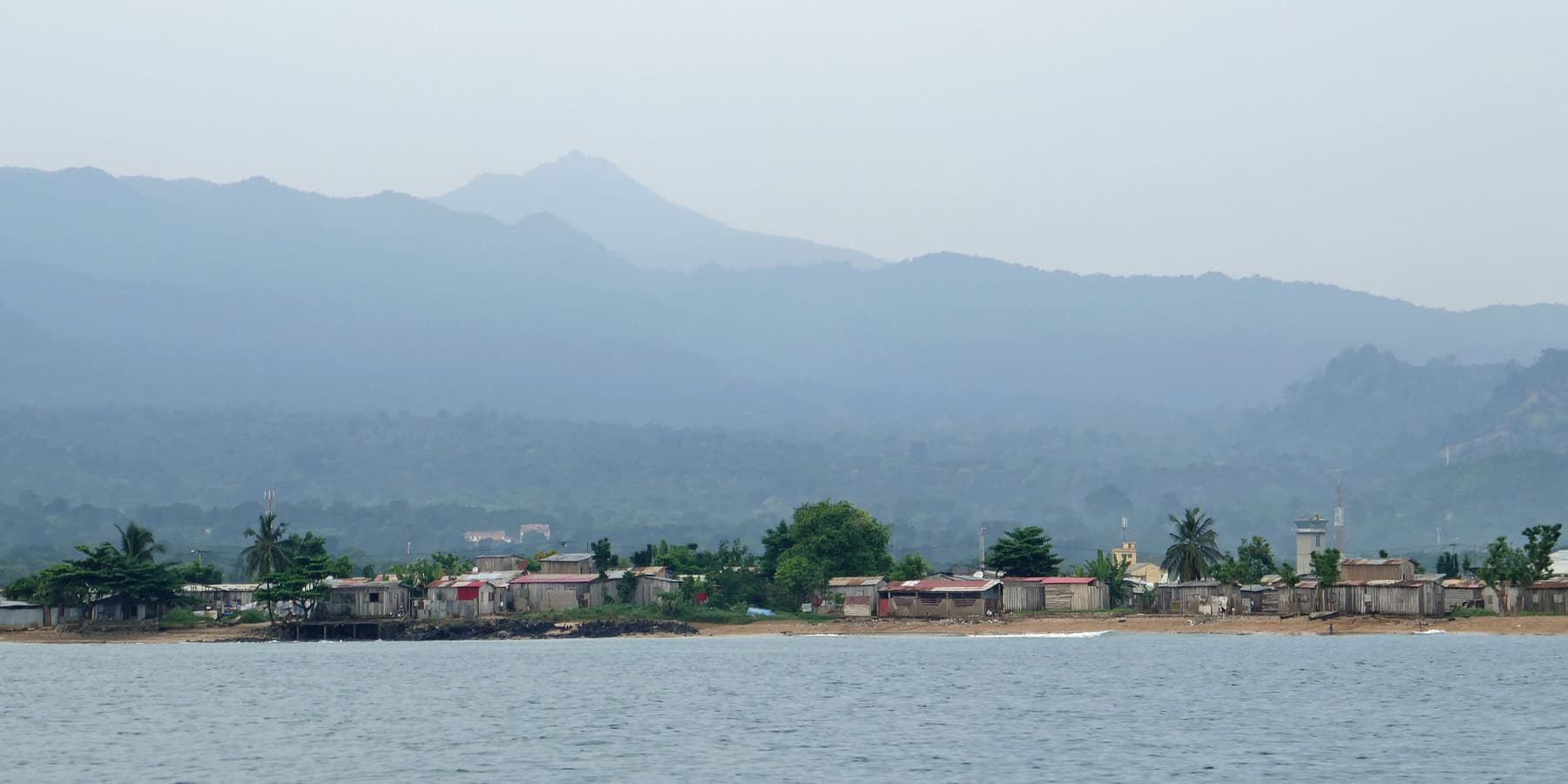
A small, faded-pastel capital on Ana Chaves Bay: a 16th-century fort, a lively market and some of the world’s best chocolate.
Ten places across two islands, each with its own six-page guide.
The country is small — São Tomé island is about 48 km long and Príncipe barely 20 km — but slow roads and thick forest make it feel much bigger. We have grouped the destinations by how you would actually travel: the capital and the dry north, the plantation highlands, the wild south, and Príncipe.
On São Tomé you can base yourself in the capital and day-trip almost everywhere, though a night or two in the south saves a lot of driving. Príncipe needs its own flight and at least three nights. See the itineraries for how the pieces fit together.
The small colonial capital on Ana Chaves Bay and the dry, baobab-dotted coast of blue lagoons and fishing towns beyond it.
A small, faded-pastel capital on Ana Chaves Bay: a 16th-century fort, a lively market and some of the world’s best chocolate.
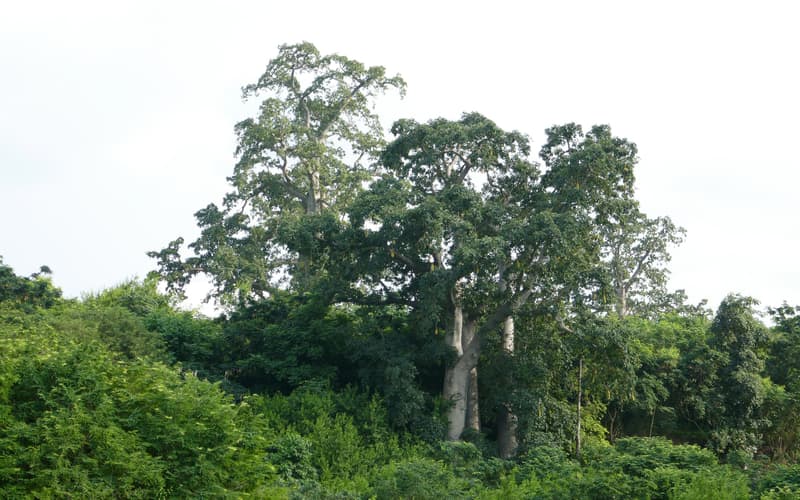
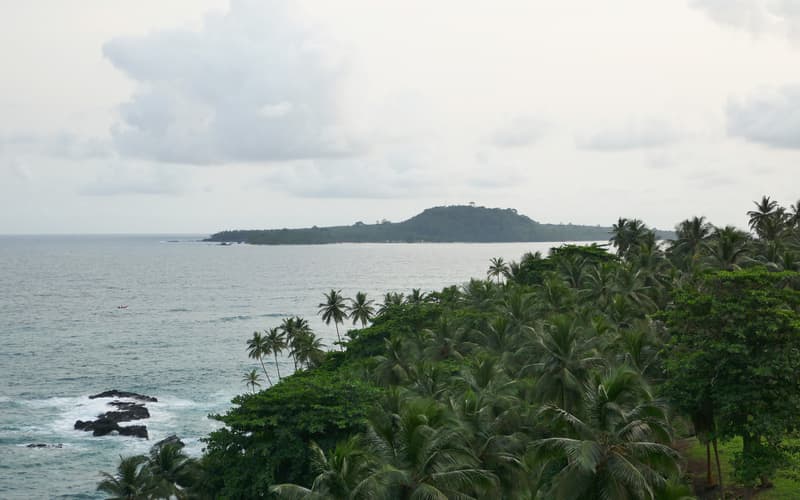
The dry side of São Tomé: baobabs above the turquoise bay of Lagoa Azul, palm beaches, a grand old roça and the fishing town of Neves.
Coffee and cocoa plantations in the cool hills, and the cloud forest of Obô National Park rising to the 2,024 m Pico de São Tomé.
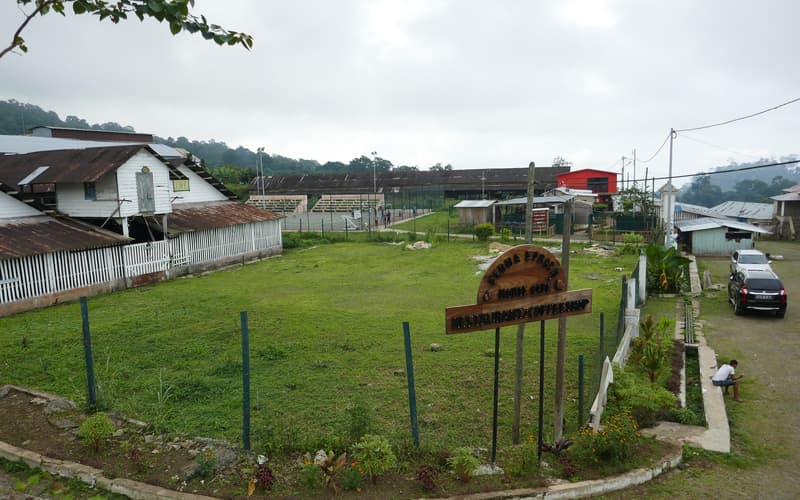
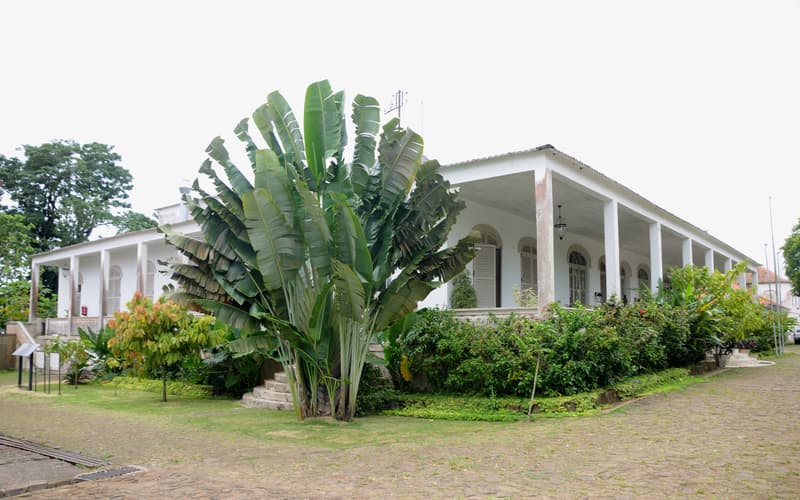
The coffee plantation in the cool hills above the capital, and the best place to understand the roças — their beauty and their brutal history.
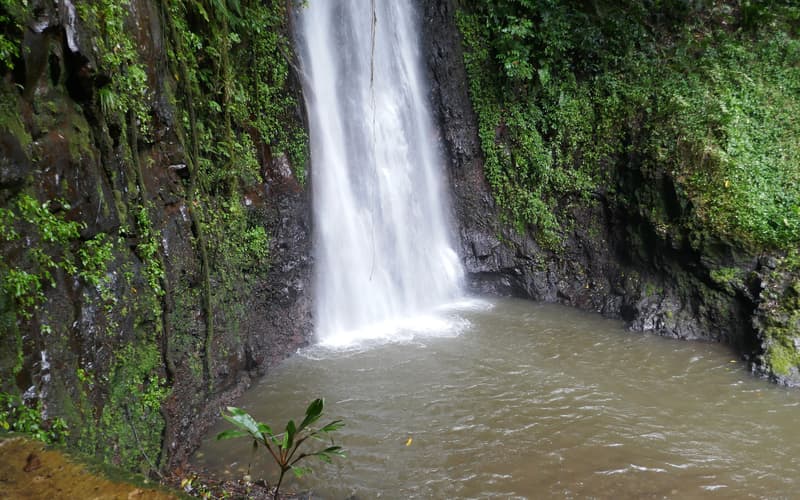
Primary rainforest covering a third of the island: a botanical garden, a crater bog, waterfalls, endemic birds and the 2,024 m summit.
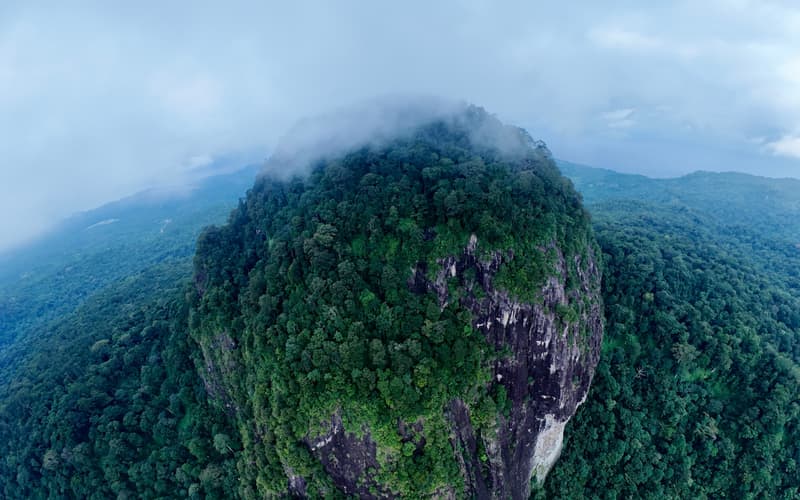
The wet, wild end of the island: the rock needle of Pico Cão Grande, turtle beaches and the islet where the Equator crosses.
The wild, rain-soaked south: a volcanic needle above the palms, roças on the east coast, natural rock pools and beaches where turtles nest.
A small forested islet off the southern tip of São Tomé where a monument marks the Equator — one foot in each hemisphere.
The smaller island, a UNESCO Biosphere Reserve of forested peaks, a doll’s-house capital and some of Africa’s emptiest beaches.
Príncipe’s pocket-sized capital: a few pastel streets on a river mouth, often called the smallest city in the world.
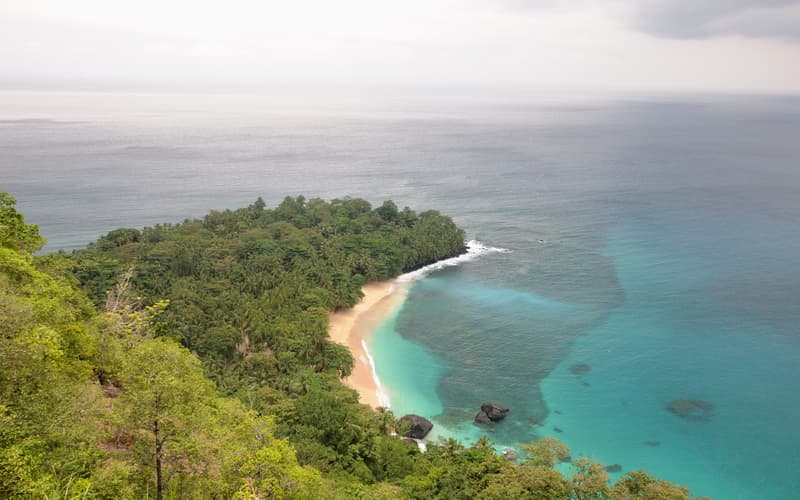
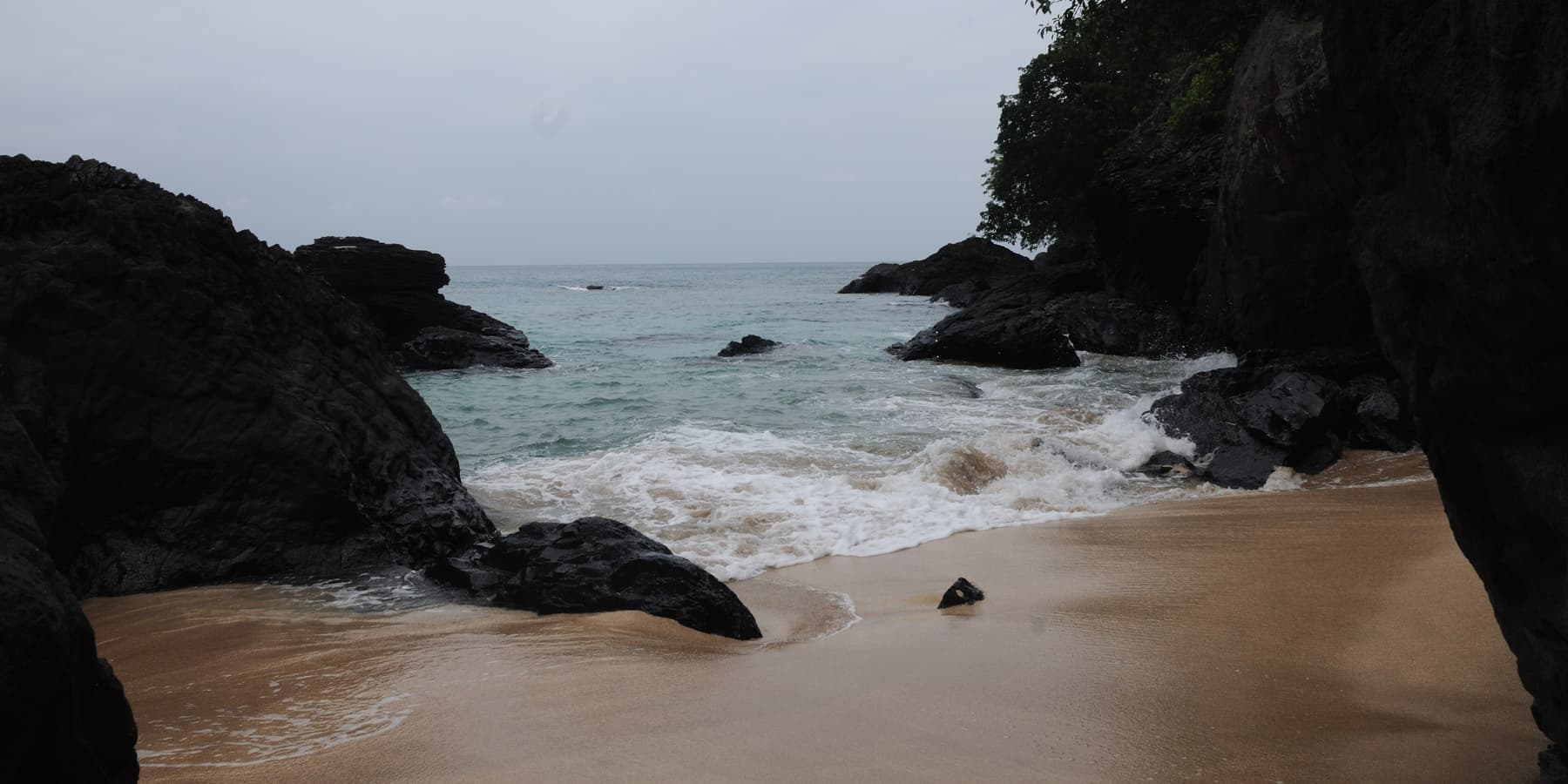
Praia Banana, Praia Boi, Praia Macaco and the lodge beaches of Bom Bom and Sundy: golden sand, jungle to the waterline and hardly a footprint.
Two plantation estates on Príncipe: Sundy, where a 1919 eclipse helped prove Einstein right, and Belo Monte, on the bluff above Praia Banana.
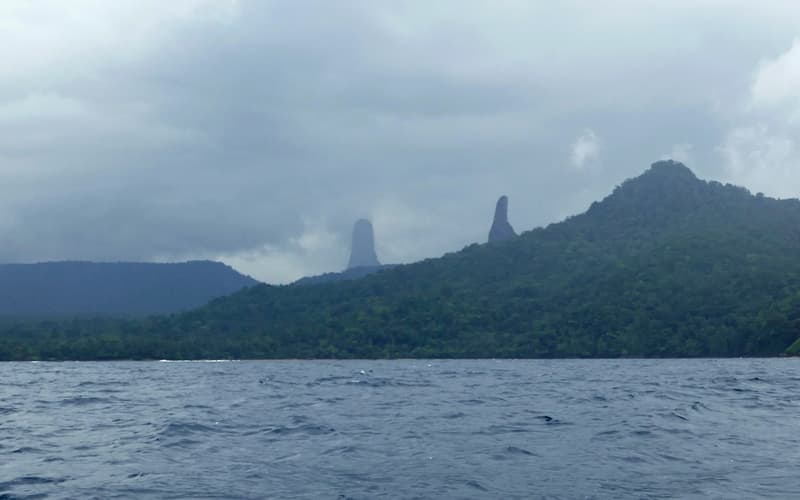
The whole island is a UNESCO Biosphere Reserve: rock towers above the Bay of Needles, roadless southern rainforest, mangroves and birds found nowhere else.
Cocoa plantations, the needle of Pico Cão Grande, the Equator line on Ilhéu das Rolas and Príncipe’s wild bays. Compare the tours you can book online and reserve in a couple of taps.