-
1Fort São Sebastião and the National Museum
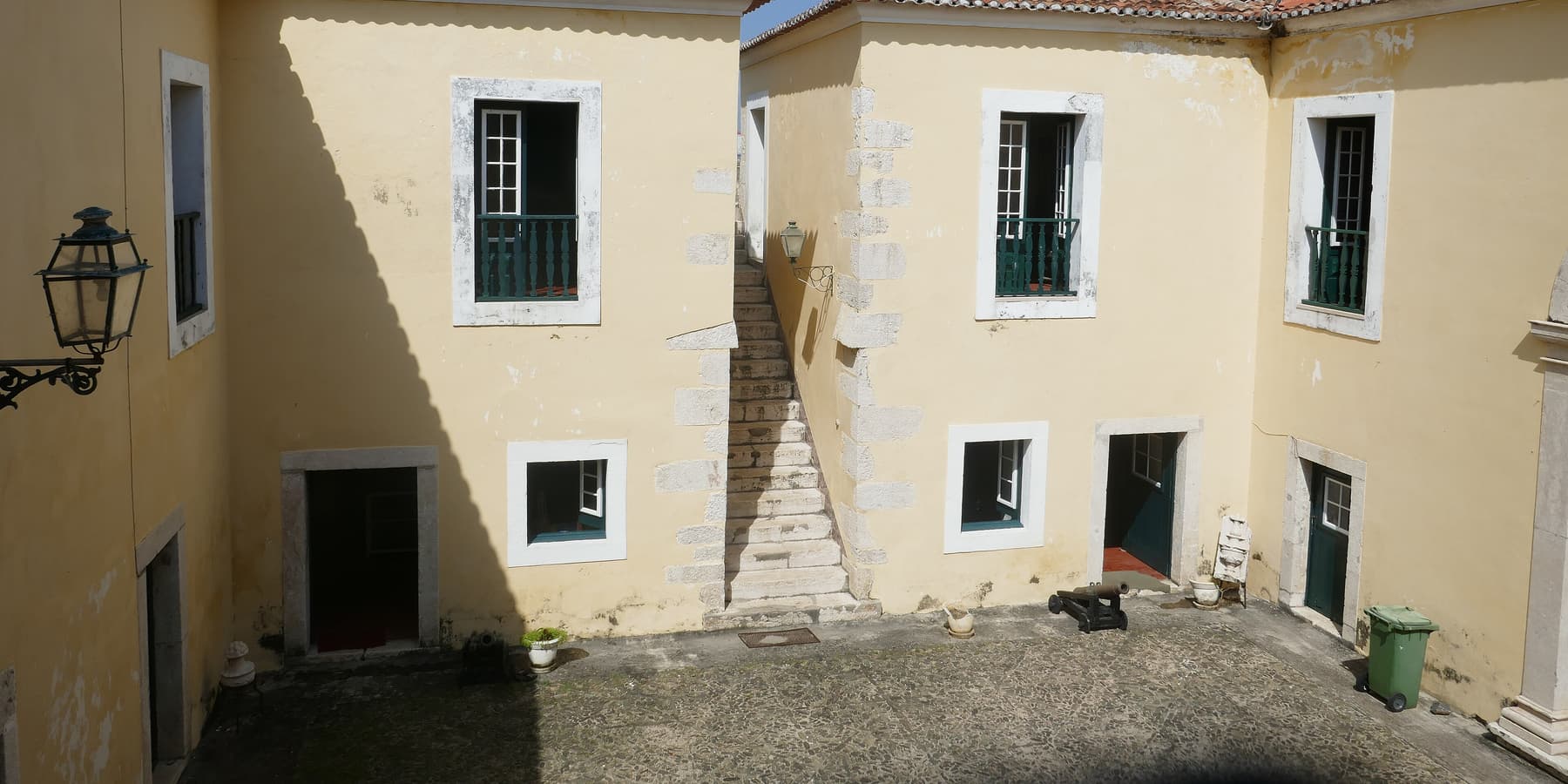
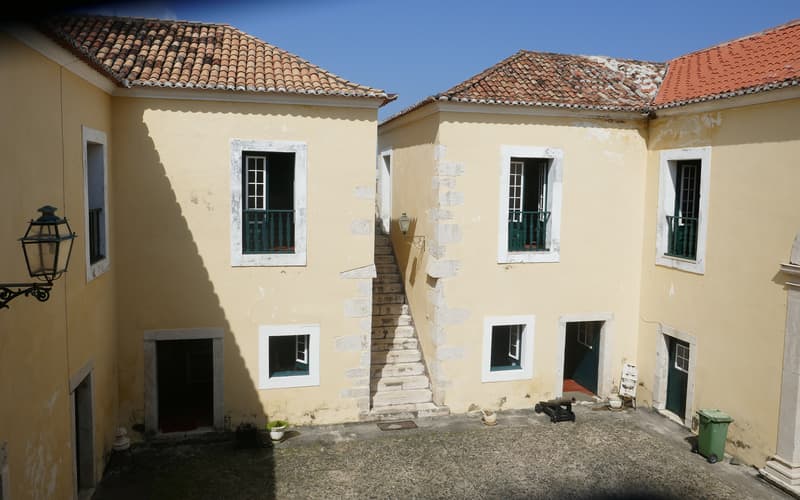
The squat, whitewashed fort at the southern tip of Ana Chaves Bay was built by the Portuguese in 1575 and now houses the National Museum. Its rooms cover religious art, colonial furniture and plantation life, and — most importantly — the Batepá massacre of February 1953, when colonial forces killed hundreds of Santomeans. Climb to the ramparts for the view along the bay.
ℹ️ Small entry fee in cash, usually with a guide. Generally open on weekdays and Saturday mornings — confirm locally. Allow 1 hour.
-
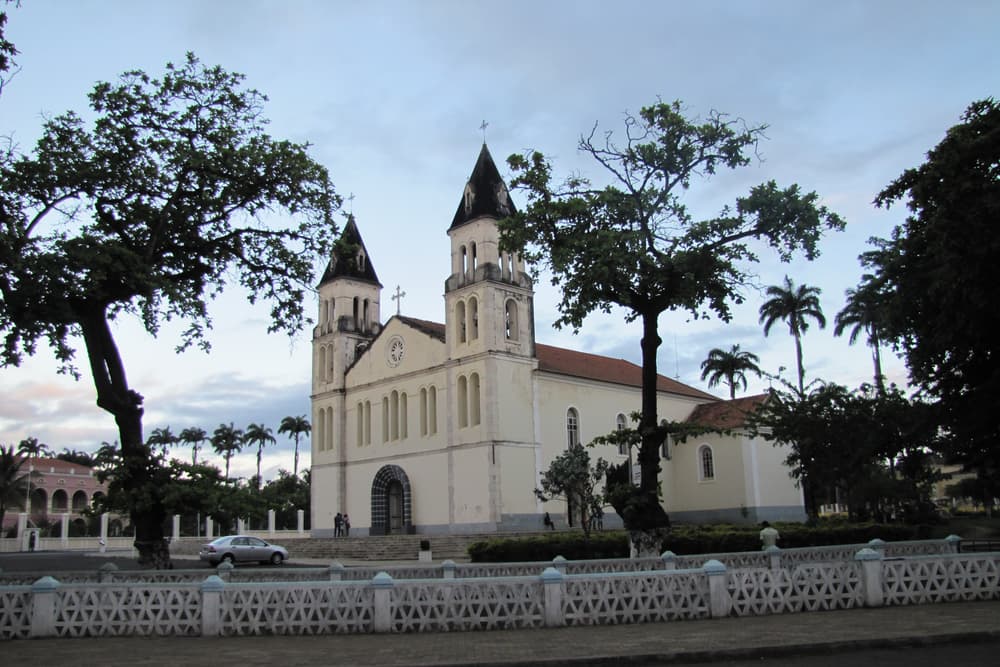
2Cathedral of Nossa Senhora da Graça
The twin-towered cathedral facing the Presidential Palace stands on a site used for worship since the 16th century, which makes it one of the oldest cathedral foundations in sub-Saharan Africa. The present appearance dates largely from later rebuilding. Inside it is plain and cool, with blue-and-white tile panels.
ℹ️ Free; open around service times. Dress modestly. 15–20 minutes.
-
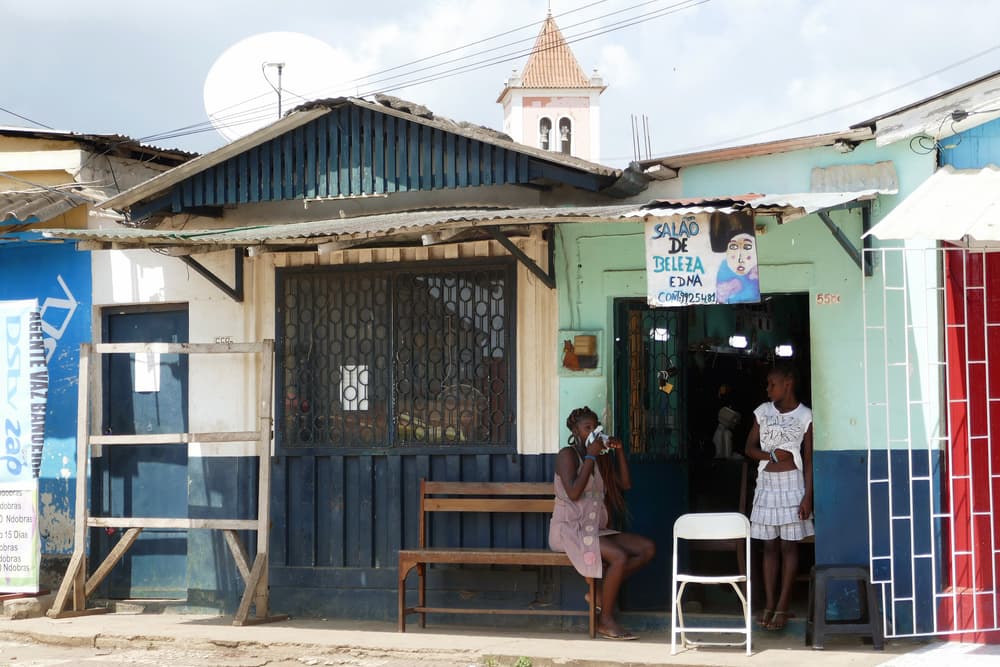
3Municipal market
The heart of daily life. Under and around the market halls, women sell breadfruit, bananas, matabala, chillies, smoked and fresh fish and bundles of herbs for calulu. It is crowded, loud and friendly — keep valuables out of sight and ask before taking photographs.
ℹ️ Busiest in the morning, Monday to Saturday. Free. 30–45 minutes.
-
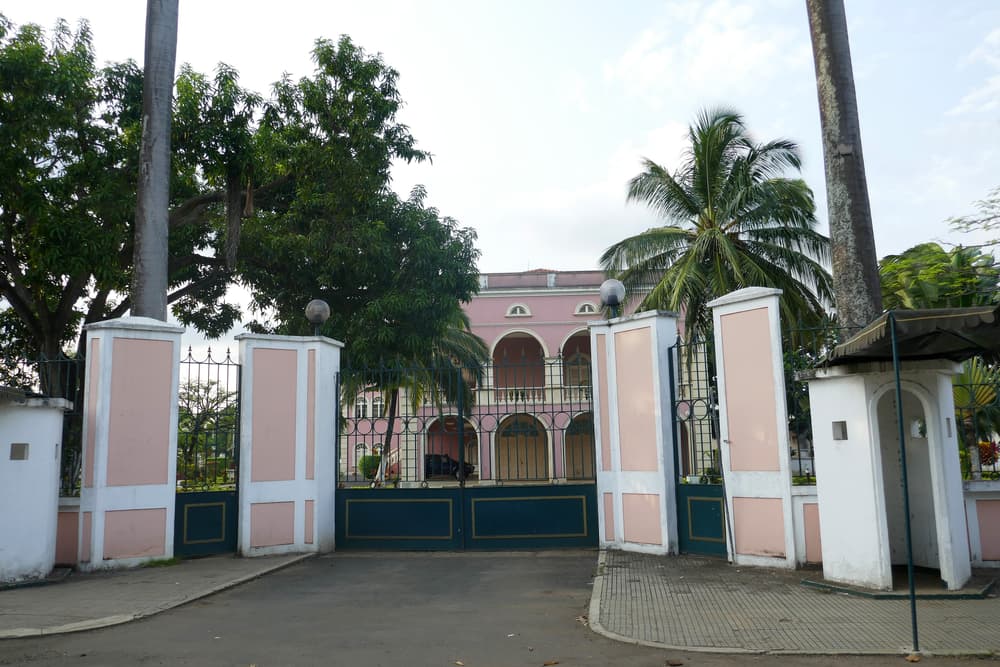
4Presidential Palace and the old centre
The pink colonial palace, once the governor’s residence, cannot be visited, but the square in front of it and the streets leading to the bay hold the capital’s best architecture: arcaded trading houses, old banks and the former customs buildings.
ℹ️ Exterior only; guards may ask you not to photograph the palace itself. 30 minutes on foot.
-
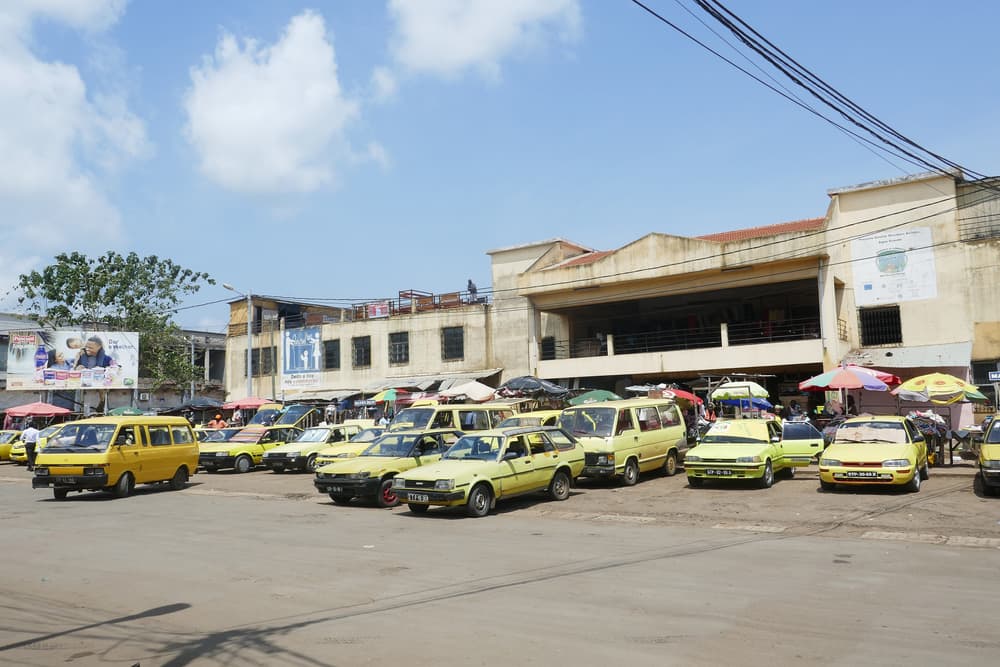
5Street life around the taxi ranks
The streets beside the market double as the island’s transport hub. Yellow shared taxis and minibuses fill up here for every town on the island, and the pavements are lined with stalls. It is the easiest place to feel how the country moves.
ℹ️ Any time in daylight. Shared taxis leave when full.
-
6Sculptures outside the fort
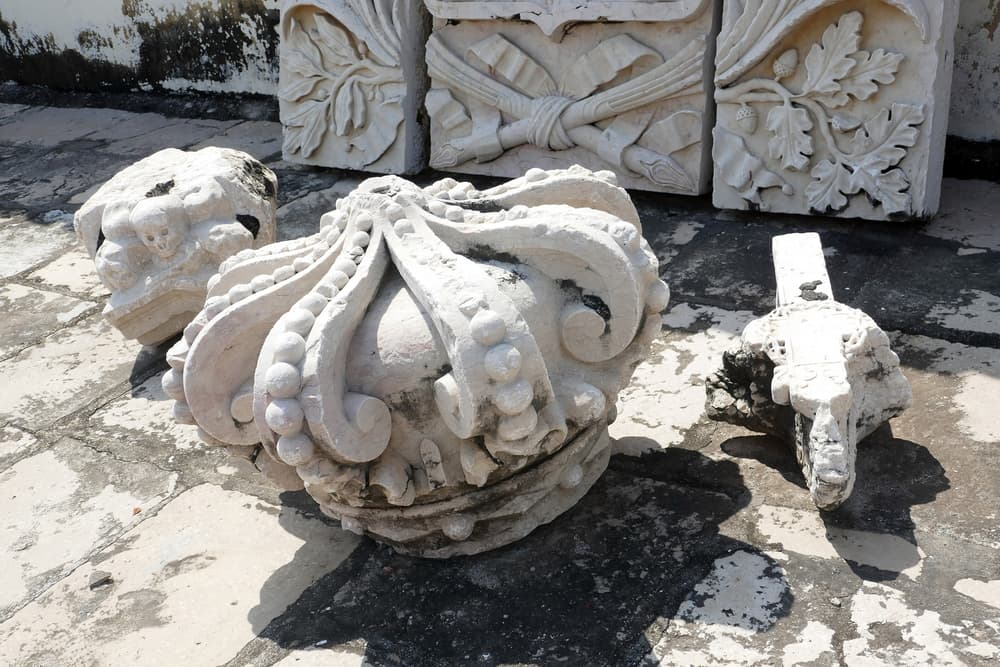
Around the fort entrance the museum displays carved stonework salvaged from colonial buildings, alongside statues of the Portuguese navigators credited with reaching the islands around 1470, moved here from the city’s squares after independence. They make a thought-provoking pair with the museum’s account of what colonisation meant for the people brought here.
ℹ️ Free, outside the fort entrance. 10 minutes.
-
7Claudio Corallo chocolate
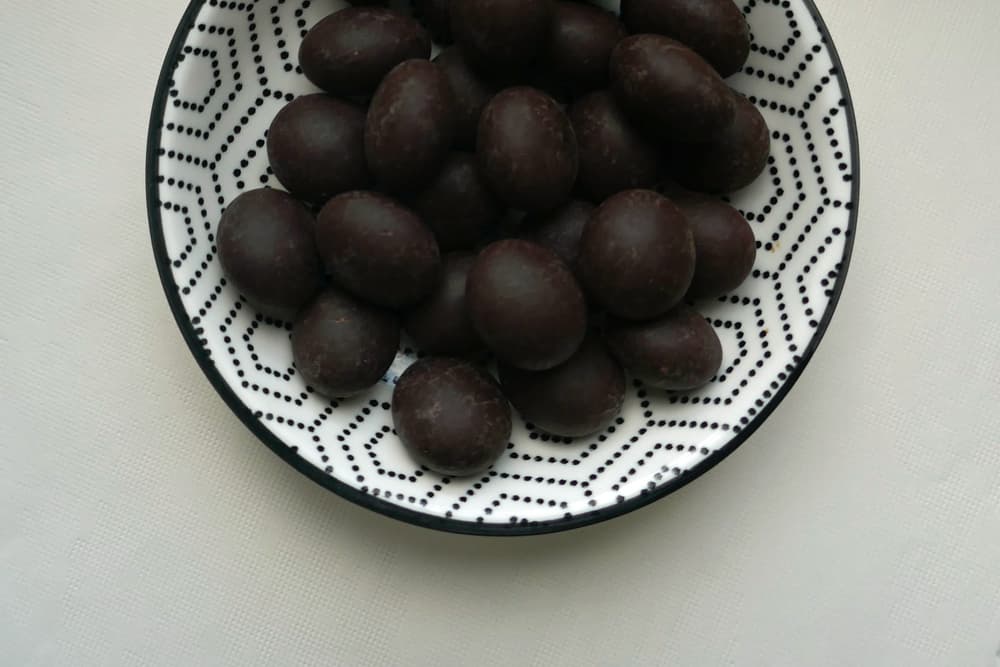
Claudio Corallo grows cocoa on Príncipe and coffee on São Tomé, and turns them into intensely flavoured chocolate in a small workshop on the seafront. His guided tastings explain fermentation, roasting and why this chocolate tastes unlike any other.
ℹ️ Tastings run on set days and must be reserved; a fee applies. About 1½ hours.
Also worth your time
- CACAU cultural centre: a converted warehouse with exhibitions, a craft shop, a restaurant and regular music and Tchiloli theatre nights.
- The seafront (Marginal): the avenue around the bay is at its best at sunset, when half the city comes out to walk.
- Diogo Vaz chocolate shop: another island chocolate maker with a shop in the centre.