-
1Pico Cão Grande
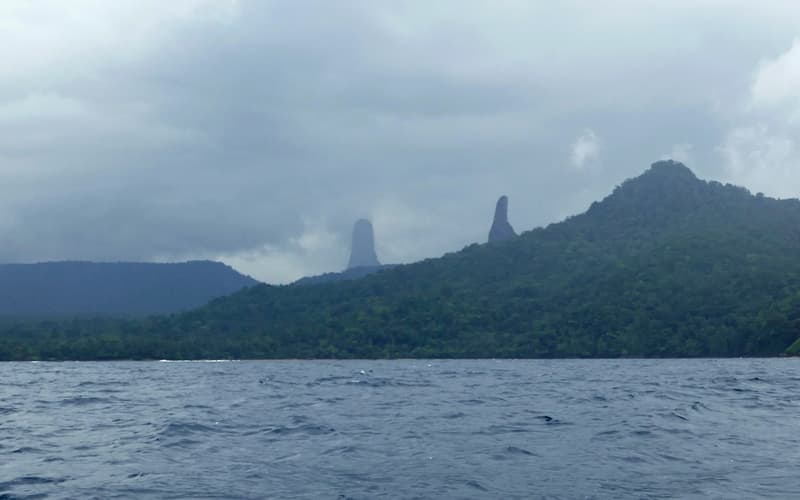
A volcanic plug: the hardened core of an ancient volcano left standing after the softer cone eroded away. It rises abruptly from oil-palm plantations and forest on the edge of Obô National Park, and it is visible from a signposted viewpoint on the main road. Climbing it is a technical, rarely attempted rock route; walking towards its base with a guide is possible.
ℹ️ Viewpoint free, on the road about 1½–1¾ hrs from the capital. Clearest early in the day.
-
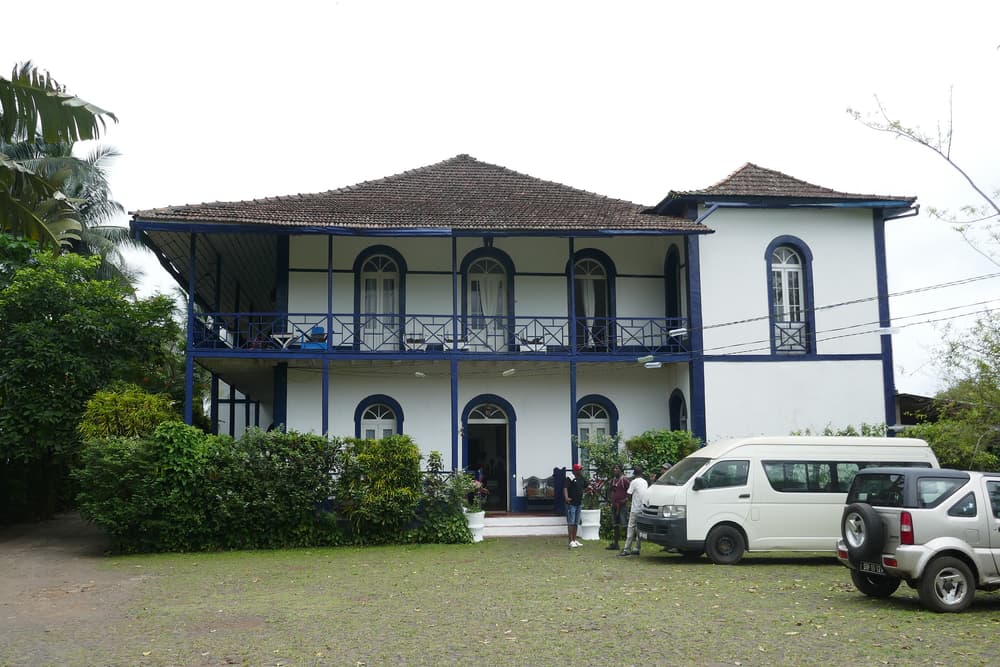
2Roça São João dos Angolares
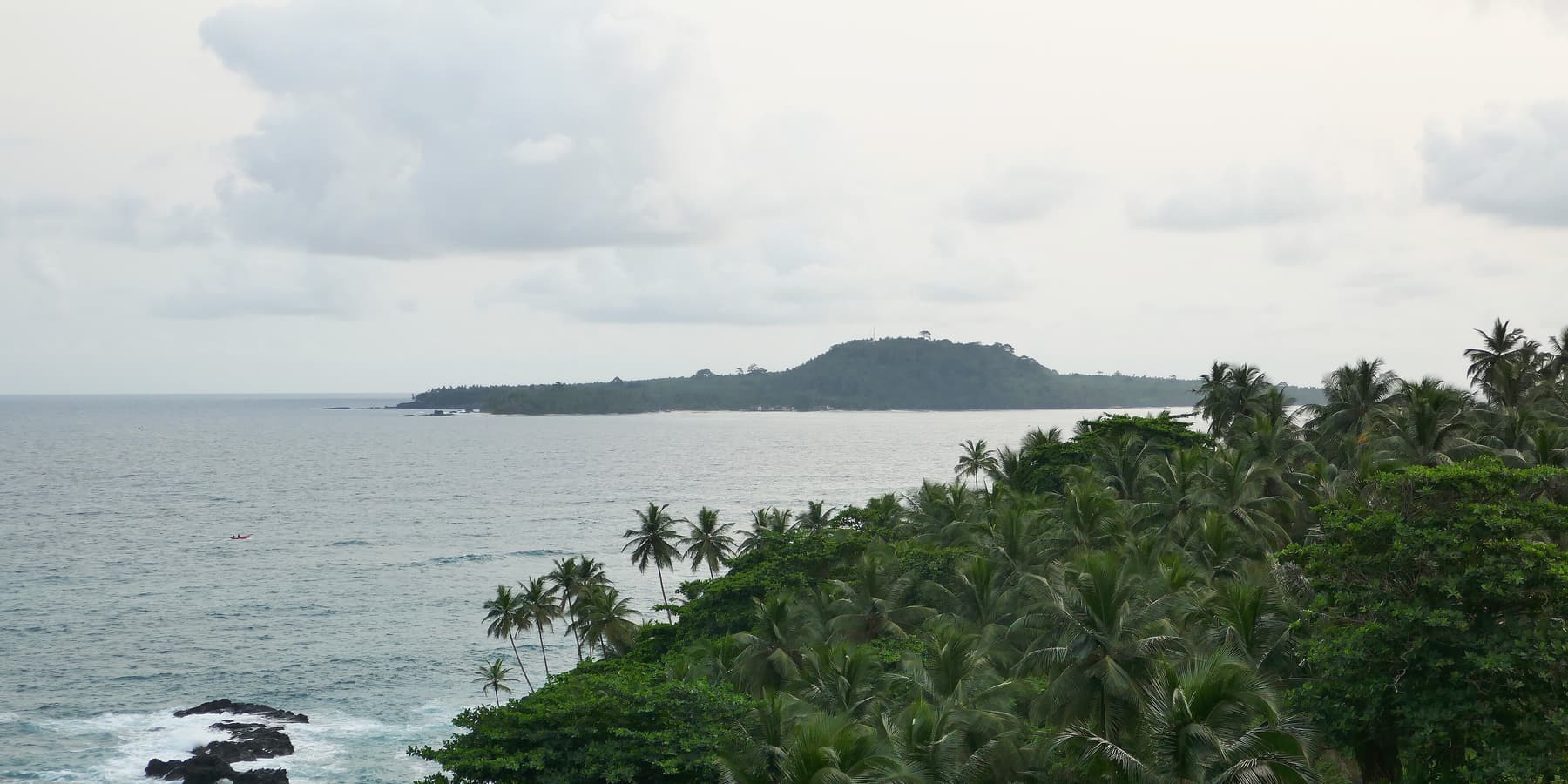
A hilltop plantation house overlooking the bay of Angolares, restored by Santomean chef and artist João Carlos Silva as a guesthouse, gallery and restaurant. Its long tasting lunches — many small plates built on local fish, fruit, herbs and cocoa — are the country’s best-known meal.
ℹ️ Lunch by reservation; allow 2 hours or more. Rooms available.
-
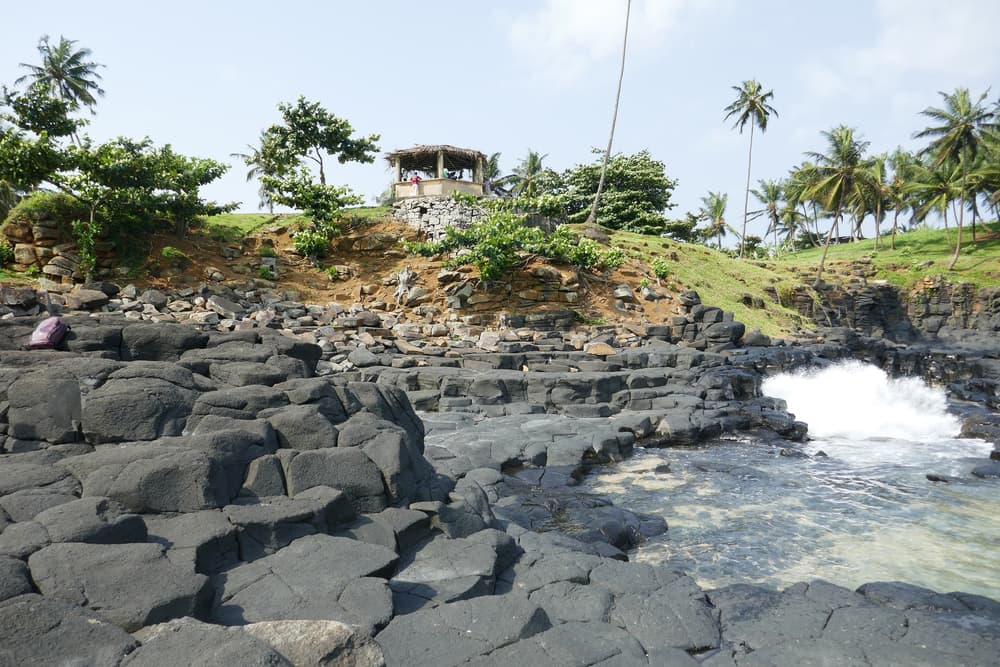
3Boca do Inferno
“Hell’s Mouth” is a narrow channel in the black basalt shore near Água Izé. Swells are funnelled along it and burst up through a blowhole at the end with a boom. It is most dramatic when the sea is running.
ℹ️ Free, just off the main road. Keep well back from the edge — rocks are wet and waves unpredictable. 20 minutes.
-
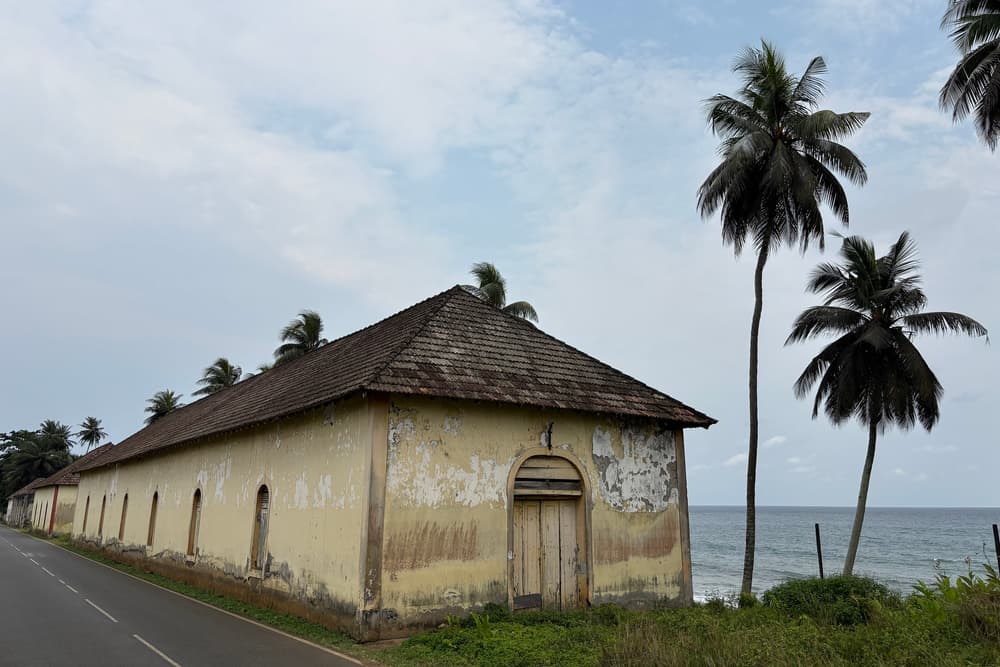
4Roça Água Izé
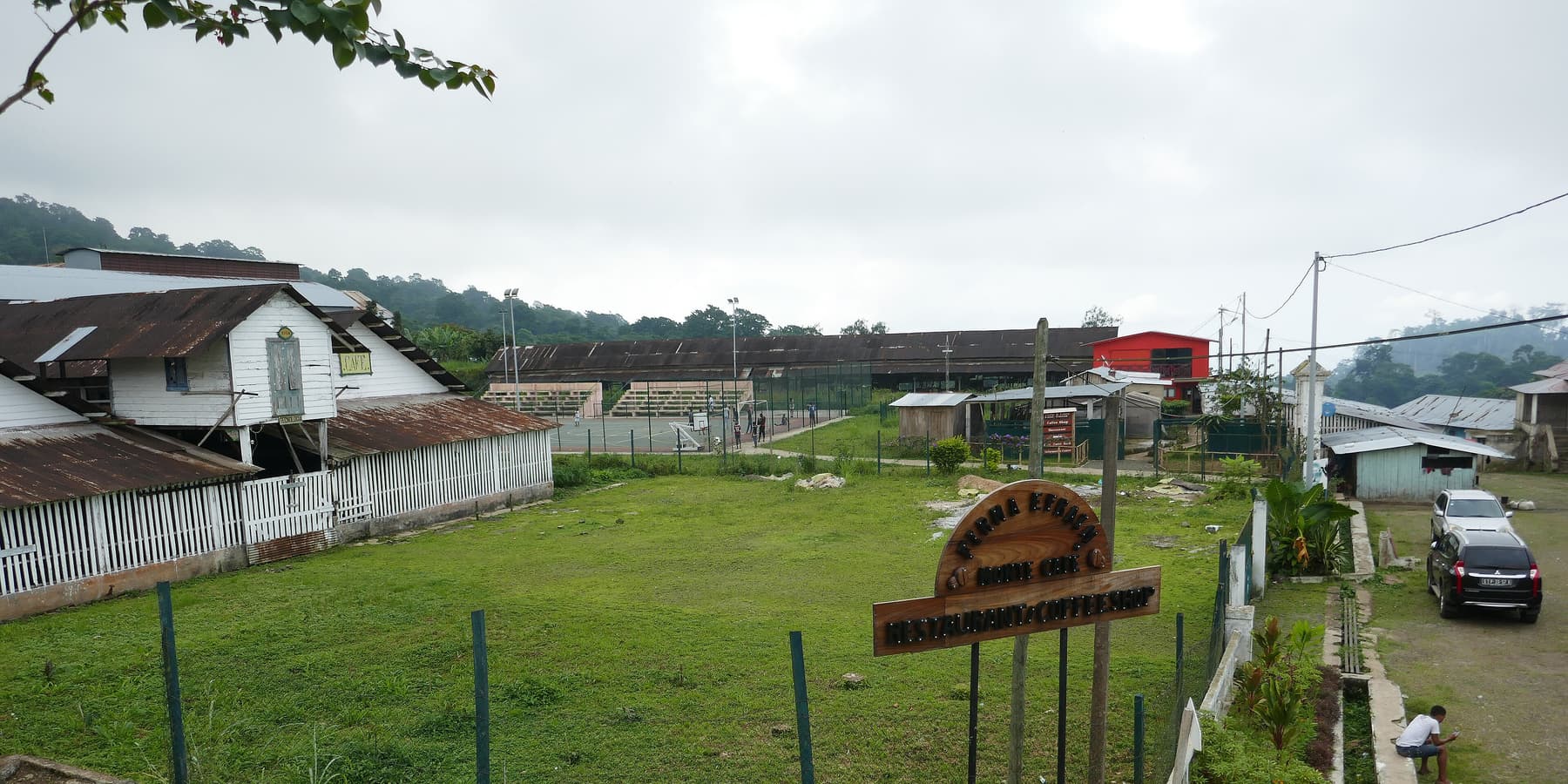
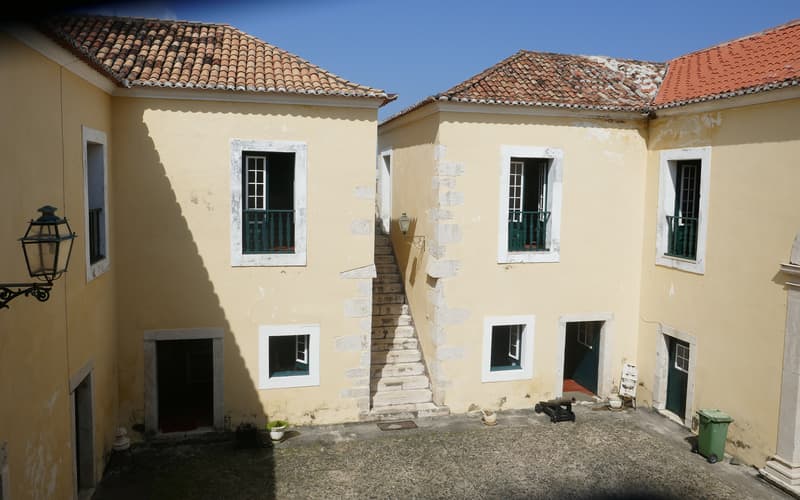
One of the great coastal estates, developed in the mid-19th century by João Maria de Sousa e Almeida, the first Baron of Água Izé, who pioneered cocoa planting on São Tomé. The village still occupies the old quarters; above it stand the ruins of two hospitals, and by the shore the warehouse from which cocoa was shipped.
ℹ️ Free to walk; a local guide is recommended and a tip expected. 45 minutes.
-
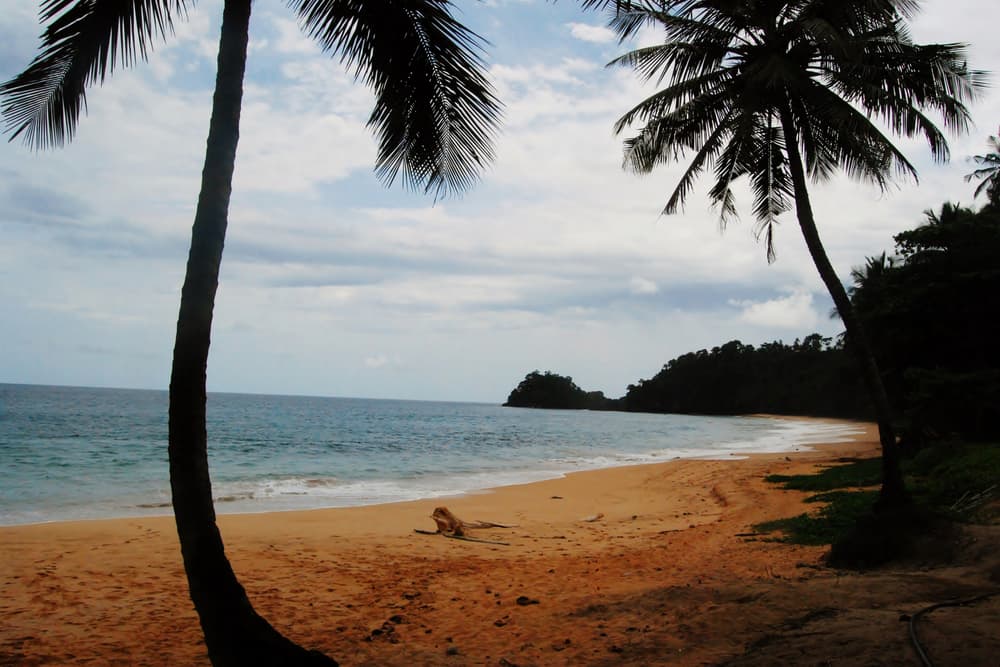
5Praia Jalé
A long, wild, palm-backed beach west of Porto Alegre and one of São Tomé’s most important turtle-nesting sites. In season, guides lead night walks to watch turtles laying, and hatchlings are released at dusk. A simple eco-lodge run with the local community sits behind the sand.
ℹ️ Turtle nesting about November to March. Guided visits for a fee. Rough track — 4×4 advised.
-
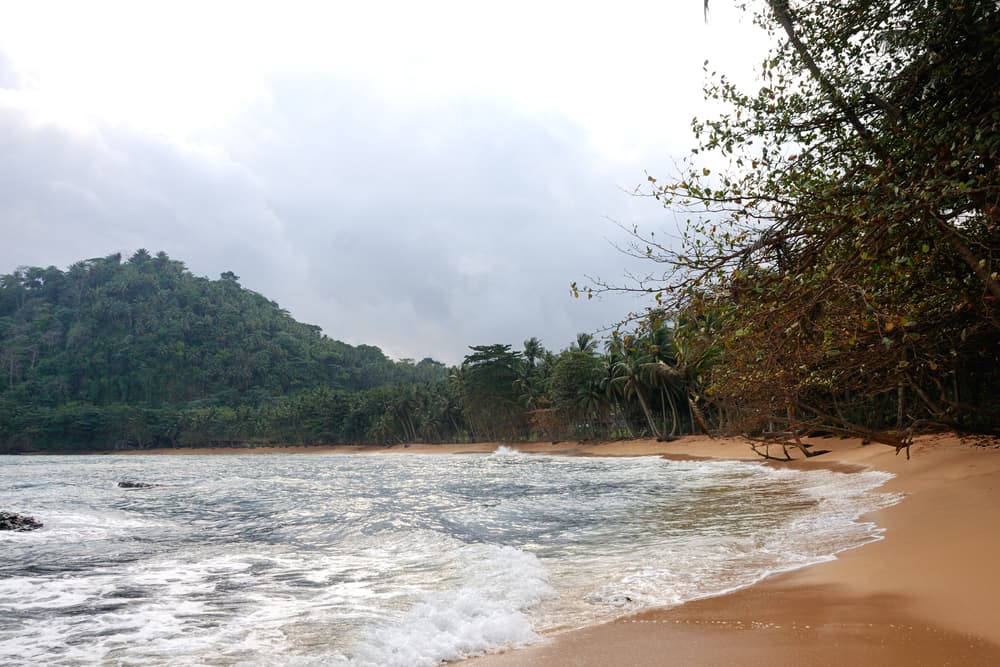
6Praia Inhame and Praia Piscina
Praia Inhame is a sheltered golden bay beside Porto Alegre, looking across to Ilhéu das Rolas, with cabins under the palms. A short way west, Praia Piscina takes its name from the natural swimming pools the tide leaves in the dark volcanic rock.
ℹ️ Free. Praia Piscina is best around low tide. Bring water and shade.
-
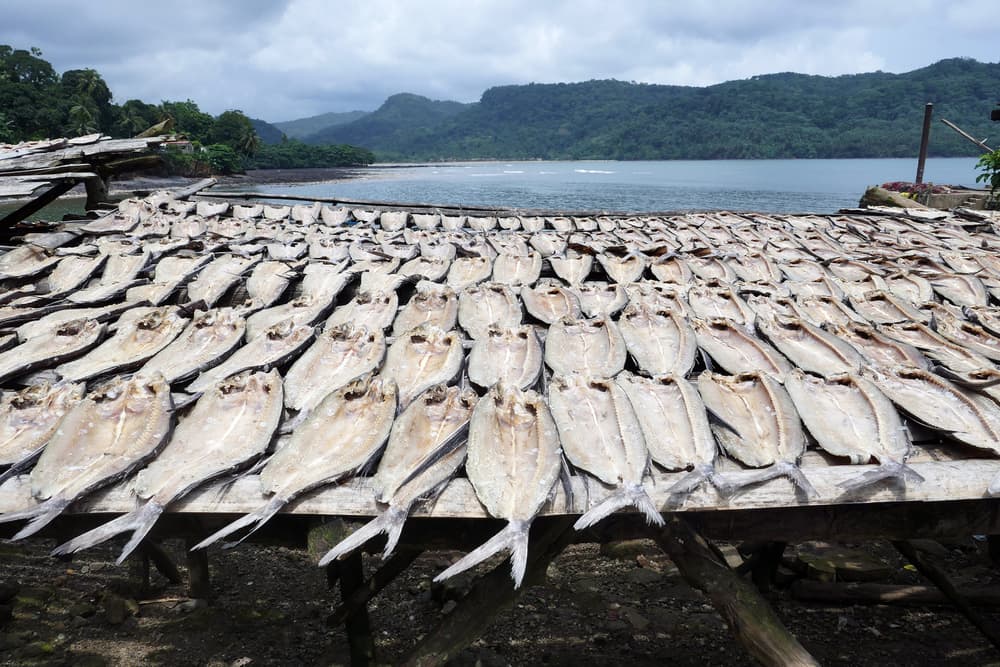
7Porto Alegre
The last village on the road: wooden houses on stilts, canoes on the sand and racks of flying fish drying in the sun. Once the centre of a large plantation, it is now the jumping-off point for boats to Rolas and for the southern beaches.
ℹ️ About 75 km and 2–2½ hrs from the capital. Very limited shops — bring what you need.
-
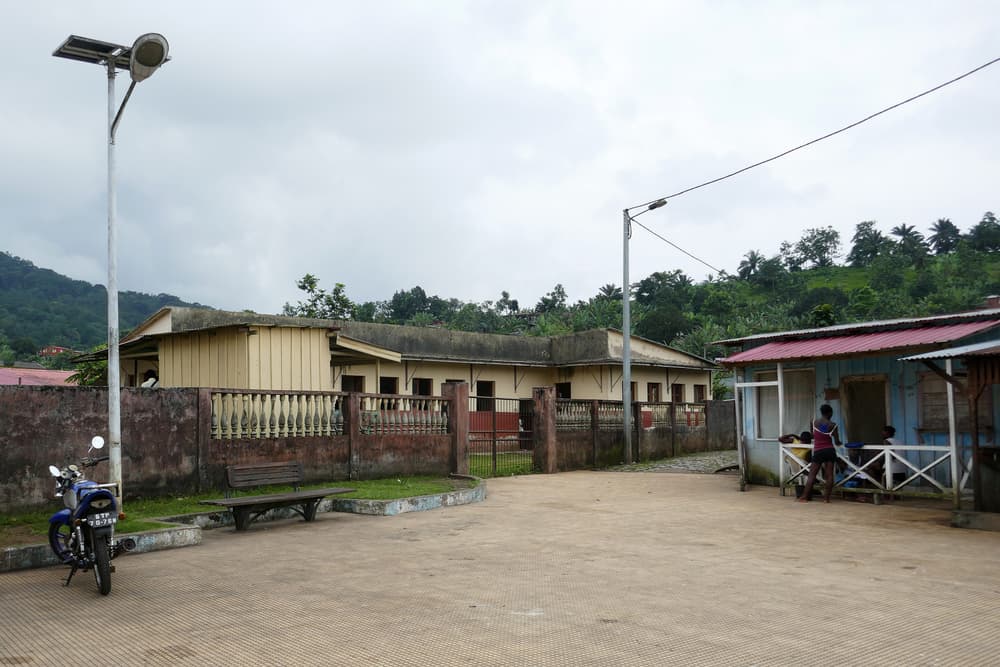
8São João dos Angolares
The main town of the south-east and the centre of the Angolar community, traditionally said to descend from Africans who survived a 16th-century shipwreck and lived independently in the mountains; they later became the island’s fishermen. The town has a small waterfront and several places to eat.
ℹ️ About 40 km, 1–1¼ hrs from the capital. Shared taxis from the capital end here.
-
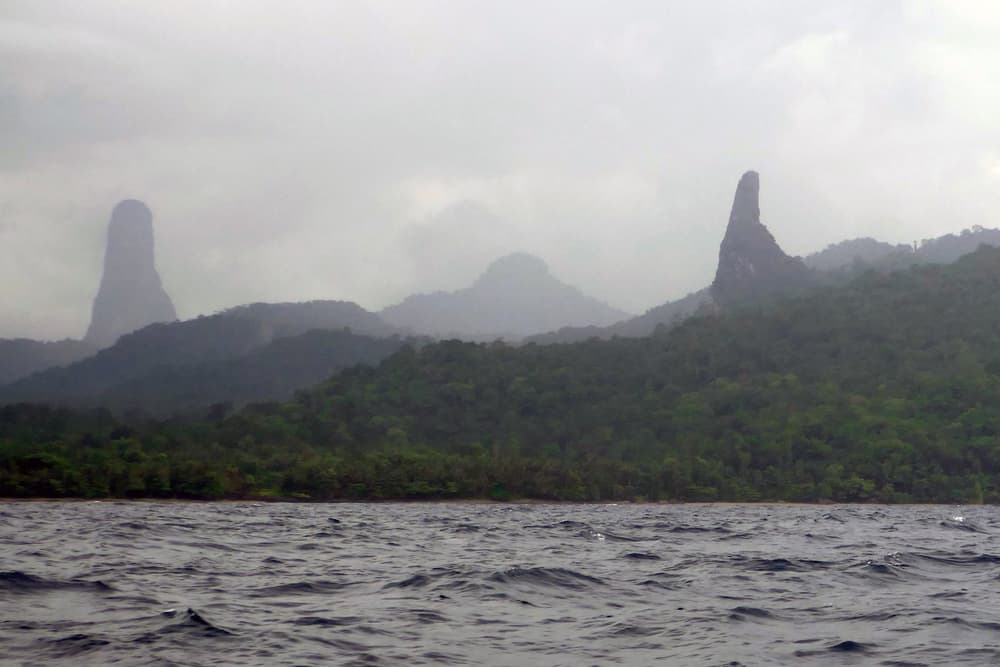
9The coast from the sea
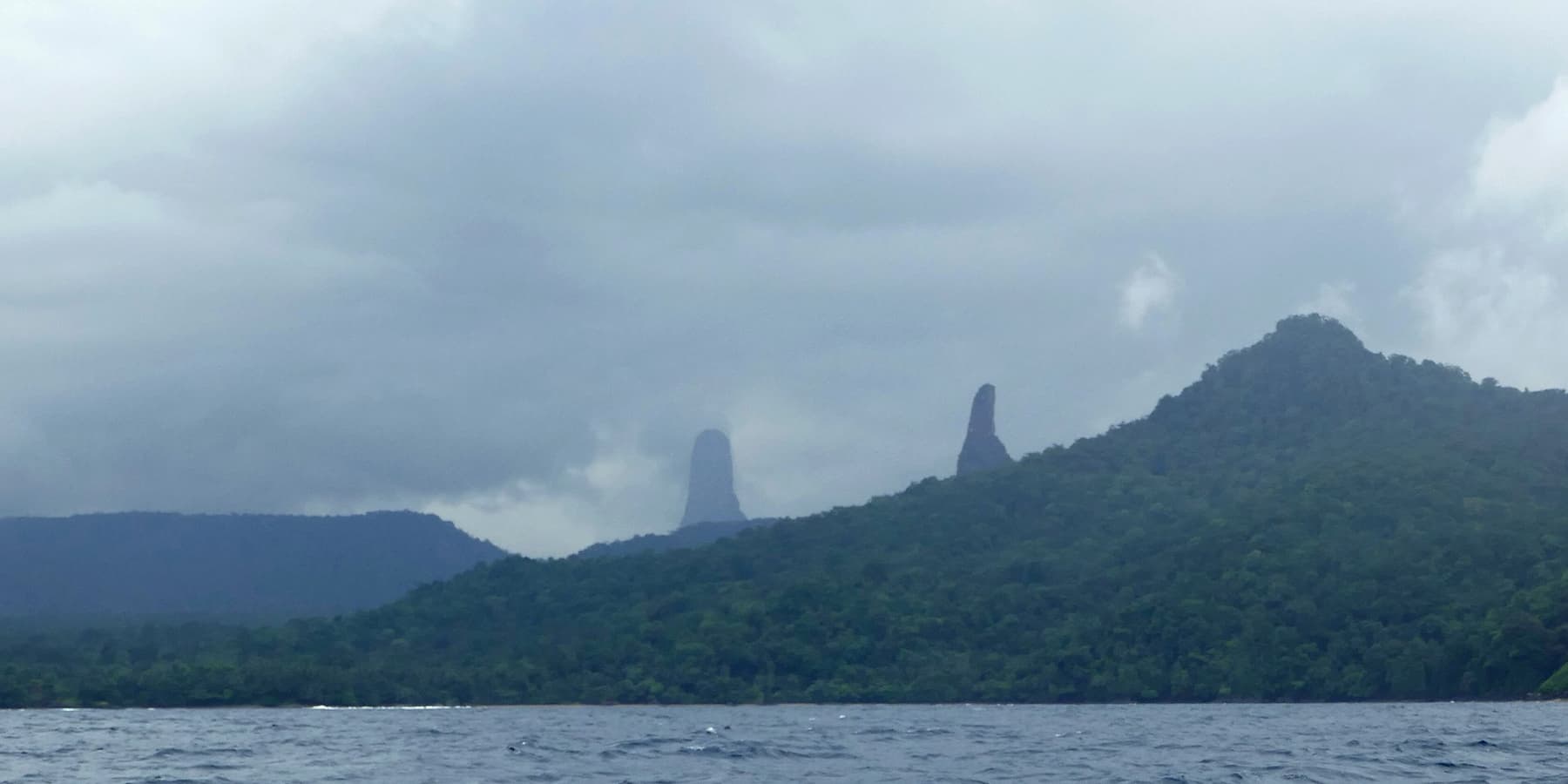
South of Angolares the forested coast is almost untouched, and from a boat the two rock towers of Cão Grande and its smaller neighbour Cão Pequeno line up above the trees. Boat trips towards Rolas pass this shore.
ℹ️ Seen on boat excursions; sea conditions vary with the season.
Also on the way
- Santana: a small town with a sheltered cove and an offshore islet used for diving and snorkelling.
- Praia das Sete Ondas: a broad, wave-washed beach beside the road, popular with the island’s few surfers.
- Malanza mangroves: a quiet river estuary near Porto Alegre, explored by dugout canoe.