Visiting respectfully
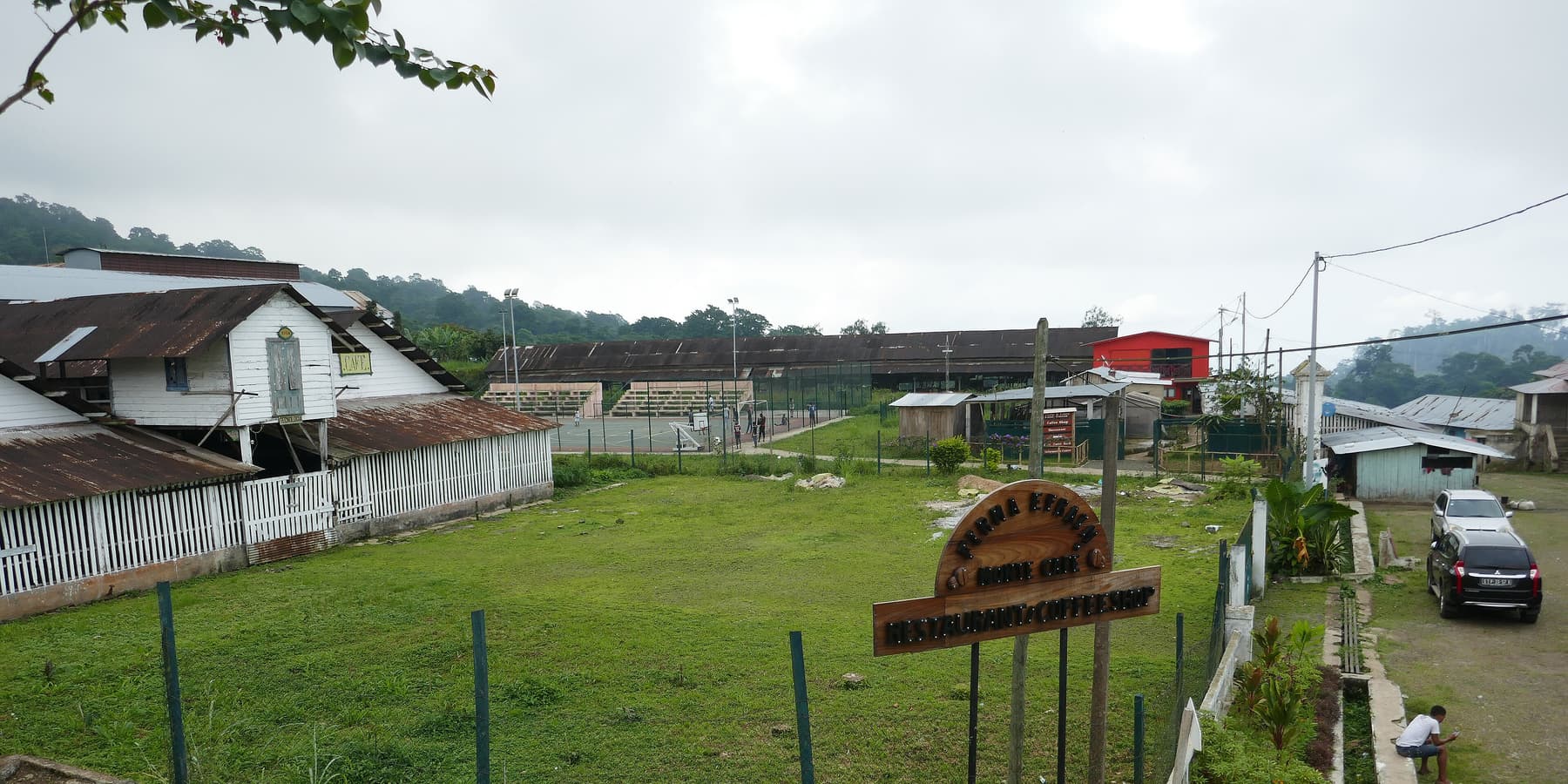
The roças are not open-air museums. Families live in the old quarters, children play in the drying yards and laundry hangs from colonial verandas. Greet people, ask before photographing anyone, and use a local guide where one is offered — fees and tips are an important source of income.
What to wear and bring
- A light layer — it is several degrees cooler than the coast and often misty
- Shoes with grip; paths are slippery after rain
- Cash in small notes for the museum, guides and coffee
- A rain jacket in any season
Eating and staying
There are a few simple places to eat on the road between Trindade and Bom Sucesso; many visitors return to the capital for lunch or eat as part of a tour. Accommodation in the hills is limited to a handful of guesthouses and plantation houses, which are a good choice if you plan to hike in Obô.
Half a day in the highlands
- Leave the capital by 8.30 and drive via Trindade.
- Tour the Coffee Museum and walk the estate.
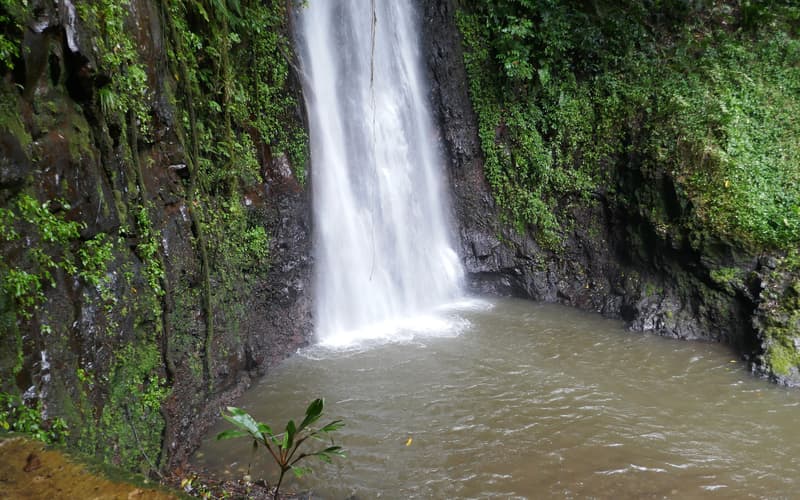
- Stop at São Nicolau waterfall.
- Continue to the botanical garden at Bom Sucesso.
- Return to the capital for a late lunch — or carry on walking to Lagoa Amélia.
Monte Café & the Roças: FAQs
Is the Coffee Museum open every day?
It has traditionally been closed on Sundays, and hours can change. Ask your hotel or guide to confirm before driving up.
Can I visit without a guide?
You can reach Monte Café independently, but the museum visit is guided and a guide makes the estate far more meaningful.
What does “roça” mean?
A plantation estate — the house, processing buildings, workers’ quarters and land together. The country has well over a hundred.
Which roça should I visit if I only have time for one?
Monte Café for the museum and the coffee; Agostinho Neto for sheer scale; São João dos Angolares for lunch.